Allegations of maladministration, mismanagement, fraud and corruption at some of the country’s most prominent institutions have made headlines in recent months.
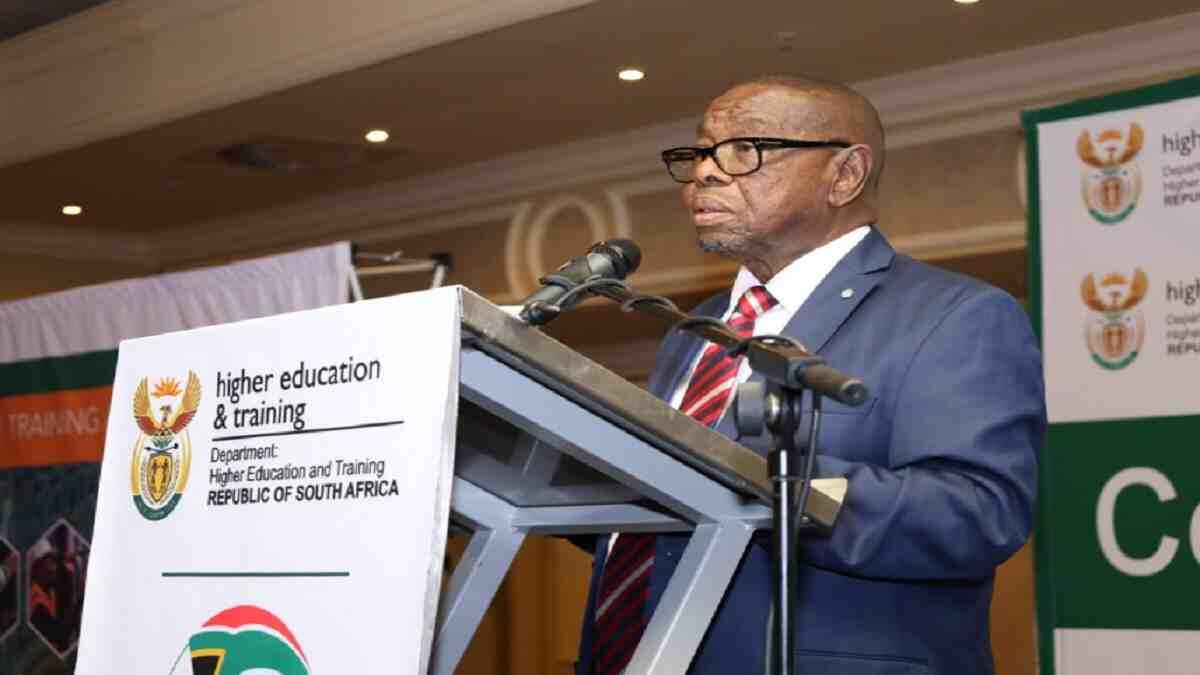
One of the institutions facing these allegations is the University of South Africa (Unisa). The Minister of Higher Education, Blade Nzimande, has announced that he will get to the bottom of Unisa’s challenges, however, many experts feel that institutional autonomy is imperative to the functioning of our universities.
Concerns have been raised at multiple other universities, including the University of Fort Hare following mismanagement and assassination attempts, the University of KwaZulu-Natal following private accommodation scams, the University of Cape Town following maladministration and mismanagement claims, and Stellenbosch University after calls for the VC to step down. Several Universities of Technology and TVET colleges have also raised questions.
Institutional Autonomy At Our Universities
Institutional autonomy refers to self-regulation and self-governance, allowing universities to govern themselves through their leadership structures, usually in the form of councils and senates. These bodies are made up of members of staff, alumni, members of the student representative council and other stakeholders that have been elected.
Institutional autonomy and academic freedom allow institutions to select the programmes they want to offer and how they wish to allocate their finances throughout the university. These factors differ from institution to institution.
These structures come with a high level of regulatory framework through legislation, including the Higher Education Act. This Act outlines the roles and responsibilities of university governance to ensure accountability.
South Africa’s public universities also work closely with the Department of Higher Education and Training (DHET), which oversees the whole higher education sector. These bodies ensure accreditation and quality assurance within the sector. Additionally, several bodies oversee the conduct of the various programmes.
What Is The Problem With University Autonomy?
Weak councils and a weak structure within our institutions have been the catalyst for the undoing of a number of our universities.
In an interview with Newzroom Afrika, the Vice-Chancellor of the University of the Free State, Professor Francis Petersen, stated that even with the most perfect structure, it is up to the people who are occupying that structure to uphold the necessary standards.
If the people holding positions of power in these structures are not competent and do not have the ethical and moral qualities that are necessary for success in that role, it results in the downfall of the entire structure.
Peterson reveals that modernising the structure may play a role in helping combat the challenges that currently plague the councils and management teams at most institutions. However, it is the corrupt and fraudulent individuals who ultimately play the biggest role.
Unfortunately, university councils are often ridden with members who seem to be focused on lining their own pockets and holding positions of power, rather than upholding good governance practices. While some experts appear to welcome intervention from the government, it is imperative that institutions remain autonomous.
It is this corruption, malpractice and dysfunction that threatens the future of our tertiary institutions.