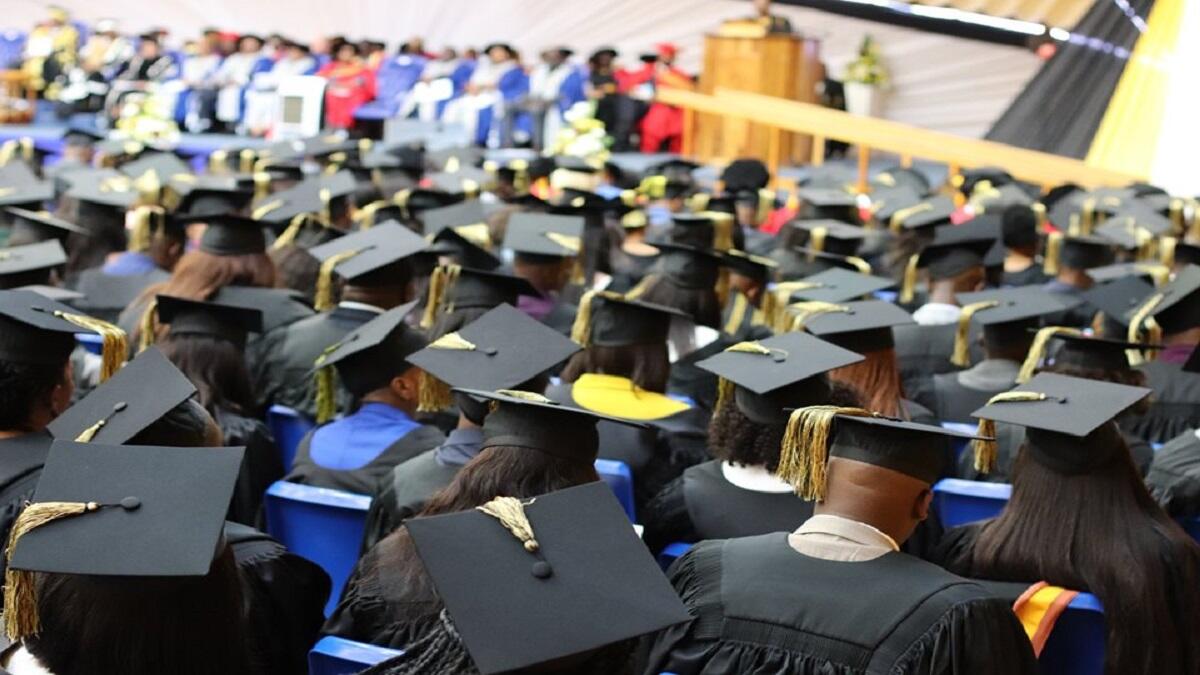
Recently, the credibility of South Africa’s tertiary institutions has been doubted. Fraudulent qualifications, questionable appointments in positions of power, violent protests on campus and corruption are just some of the issues that have plagued higher learning this year alone.
Maladministration And Misconduct At Unisa
In March, an Independent Report into maladministration and misconduct allegations at the University of South Africa (Unisa) was completed and handed over to the Minister of Higher Education, Blade Nzimande, for consideration. These findings revealed that the institution should be placed under administration.
Unisa is no stranger to scandal, as they have been placed under the spotlight multiple times just this year. Years of maladministration and misconduct allegations have led to the writing of this report.
In May, the findings of this report led to unions calling for the dismissal of the University’s vice-chancellor, Puleng LenkaBula, after it was revealed that she splurged roughly R14 million of the institution's funds on official residence renovations, sheer curtains, increasing salaries and even hiring a chef. However, she is not the only Unisa official to be placed under the spotlight.
Unisa has concluded its response to the findings of this report.
Earlier this week, following misconduct allegations, the University registrar, Professor Steward Mothata has been put on precautionary suspension. The circumstances surrounding his suspension have been outlined in a confidential letter addressed to the Professor, however, they will not be made public.
The University of Fort Hare Murders
The University of Fort Hare (UFH) in the Eastern Cape has also made headlines this year, with the assassination of two university officials. Mboneli Vesele, the bodyguard of the UFH vice-chancellor Sakhela Buhlungu, was killed in January after an attempted hit on the VC.
Buhlungu’s second bodyguard was killed in a hit-and-run just three months later.
The motive behind these assassinations is believed to be Buhlungu’s recent attempts to eradicate corruption at the University.
Last week, the University's indoor sports centre was set ablaze during protest action that took place. This incident is thought to be politically motivated.
UFH is also under investigation by the Special Investigating Unit (SIU) amidst allegations of maladministration in the awarding of honours degrees.
Tertiary Institutions And Political Connections
In an interview with Newzroom Afrika, Professor Jonathan Jansen weighed in on a number of these issues. Jansen revealed that it is common practice for university officials to be hired because of their political connections, rather than their capacity to run such an institution. This is what leads to the “chaos” at our universities.
When you hire the wrong people to lead, you get the kind of mess that we’re in at the moment.
Tertiary institutions are meant to be autonomous and should not be run by the government, but the fact that officials are being appointed based on their connections to the African National Congress (ANC) is what is to blame for some of the country’s institutions “being run to the ground”.
When these corrupt individuals become part of the management and administration of universities, these institutions begin to mirror the corrupt state-owned enterprises outside of higher education.
South Africa only has 26 public universities, and the fact that this corruption and dysfunction is placing the future of them in jeopardy will inevitably affect the youth by even further limiting their access to post-school education.
“Education is the only way that you can get a country like ours out of trouble.”
Jansen, who is a professor at the University of Stellenbosch, has written a book on the state of tertiary education institutions in South Africa titled “Corrupted”.