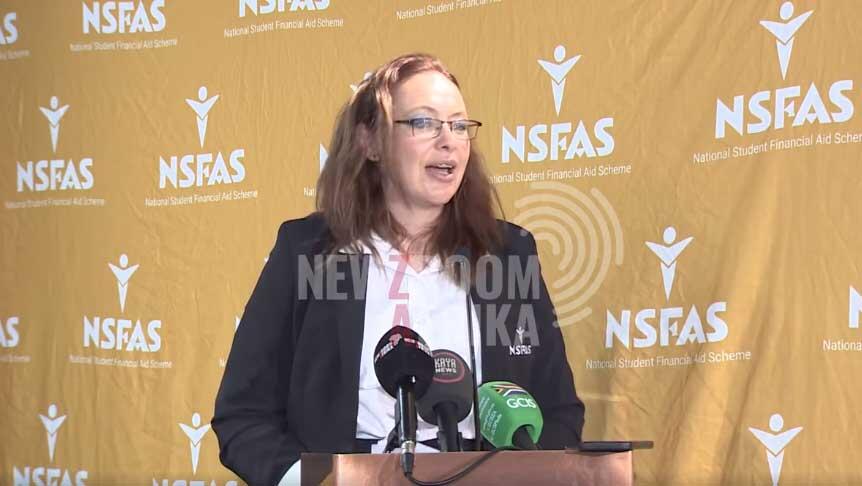
The National Student Financial Aid Scheme (NSFAS) has been hit by another leadership shake-up following the sudden resignation of its Board Chairperson, Dr Karen Stander. Her resignation, which takes effect immediately, comes amid claims of racism, bullying, and threats to her family’s safety.
In a resignation letter addressed to Higher Education Minister Buti Manamela, Dr Stander described the environment within the board as “toxic and unbearable,” saying it had become impossible for her to continue serving in good conscience. She spoke of a culture of intimidation and hostility that has eroded trust and professionalism within the institution.
Stander explained that her decision was not made lightly and followed careful reflection. “This is not an act of defiance but an act of conscience,” she stated. She added that her decision was guided by integrity and a desire not to compromise the values of the board or the organisation.
Emphasising that her resignation was not a personal attack, Stander said her concerns were rooted in governance and accountability issues. She noted that her communication with the Department of Higher Education was always intended to promote transparency, not to target individuals. According to her, stepping aside would allow new leadership to rebuild trust and improve cohesion within the board.
Dr Stander was appointed earlier this year by former Higher Education Minister Dr Nobuhle Nkabane. In February of this year she spoke of the great honour and privilege she felt on taking up her appointment.
More recently she has repeatedly warned about systemic weaknesses within NSFAS. She highlighted major issues in the organisation’s information and communication systems, including fragmented structures and poor cybersecurity practices that posed serious operational risks.
Her resignation comes as NSFAS faces ongoing criticism for administrative instability, delayed student payments, and inefficiencies that have affected thousands of beneficiaries. Stander pointed to deeper organisational problems such as poor leadership alignment, a culture of blame, and technological shortcomings that have undermined the scheme’s overall effectiveness.
Over the years, NSFAS has faced repeated challenges, including student protests over funding delays and frequent turnover in executive positions. Stander’s exit adds to growing uncertainty about the scheme’s governance and its ability to deliver on its mandate of supporting students from disadvantaged backgrounds.
NSFAS has gone through two recent periods with an Administrator appointed by the Minister to run the organisation. This bypasses the normal governance procedures, and also allows the relevant Minister to have more direct control over the running of the organisation.
The Department of Higher Education and Training has yet to announce her replacement. With student funding for 2026 already approaching, the department now faces the urgent task of stabilising NSFAS, restoring public trust, and ensuring the funding system operates efficiently for South Africa’s students.
NSFAS is currently accepting applications for university and TVET College studies next year. The organisation has also been struggling to secure sufficient funding for this year's qualifying students. Speaking in March Dr Stander explained that the poor economic environment in the country lead to more students qualifying for NSFAS funding - despite the organisation also warning that they have insufficient funds to pay for all of this year's qualifying students.