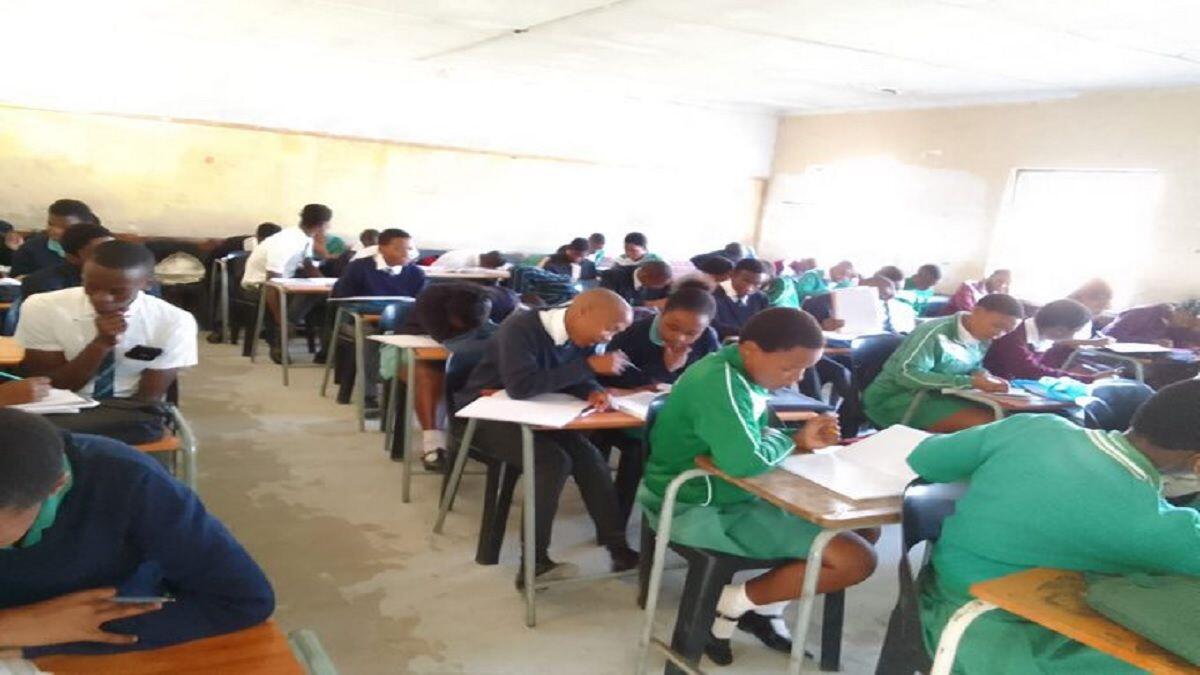
The Department of Basic Education (DBE) has classified 967 schools in the KwaZulu-Natal (KZN) province as small and non-viable and plans are now in motion to shut these schools down. The last cohort of schools will be closed down by 2028.
KZN is not the only province planning to close schools. Over 3000 schools across the country have been identified as small and non-viable and are also due to be closed down or merged with other schools.
Why Are So Many Schools Being Closed?
The main reason for schools being closed is a decrease in learner enrolment, where teaching and learning is no longer suitable. Some schools have as little as three learners in the entire school, while others have one teacher teaching learners from different grades in the same classroom.
A large cause of this decline in enrolment is parents moving closer to bigger cities in search of work, leaving rural schools small and non-viable. The Department states that this needs to be done so that all learners can receive a quality education.
A number of these schools will be merged, while others will be closed down and used as skills centres to enhance youth employability.
255 KZN schools are being prioritised this financial year. 15 of these schools will be repurposed and used as community training centres where communities will benefit as skills programmes will be rolled out targeting unemployed youth.
What Is The Negative Impact Of School Closures?
The spokesperson for the KZN Education Department MEC, Muzi Mhlambi, reveals that there will be no negative impact on academics, but rather merging schools will have a positive impact as learners will be placed in an environment that is more conducive to learning.
Learners will be placed in classrooms with peers in the same grades as them with teachers qualified to teach the relevant grades and subjects. This will also benefit learners when they go off into the post-school education and training (PSET) sector where they will be exposed to larger groups of people and more educators.
Although many of these smaller schools will be merged to create bigger schools more appropriate for learning, there is still major concern about how learners will travel to and from their new schools, as well as the impact on school feeding schemes and whether this may lead to a rise in the school dropout rate.
Mhlambi goes on to say that the impact this school closure programme may have on these factors is why the process has taken so long.
Consultations and engagements with various leadership and local communities have taken place to ensure that the relevant stakeholders are aware of what the Education Department is trying to achieve through this programme.
Last month, Democratic Alliance (DA) member, Imraan Keeka, revealed that when questioned on the matter of learner transport, it was discovered that no budget had been set for this venture. However, Mhlambi did not give insight into this concern.
Due to the migration of parents and learners to cities, it is the rural schools that will be the hardest hit, as these are the areas where the majority of schools have been deemed non-viable. Public transport is not as accessible in these areas, and many learners will likely be left stranded if the KZN Department does not intervene.
As the rolling out of this process continues, parents, educators and relevant stakeholders remain apprehensive about the programme and how the Department will deal with the challenges that may arise