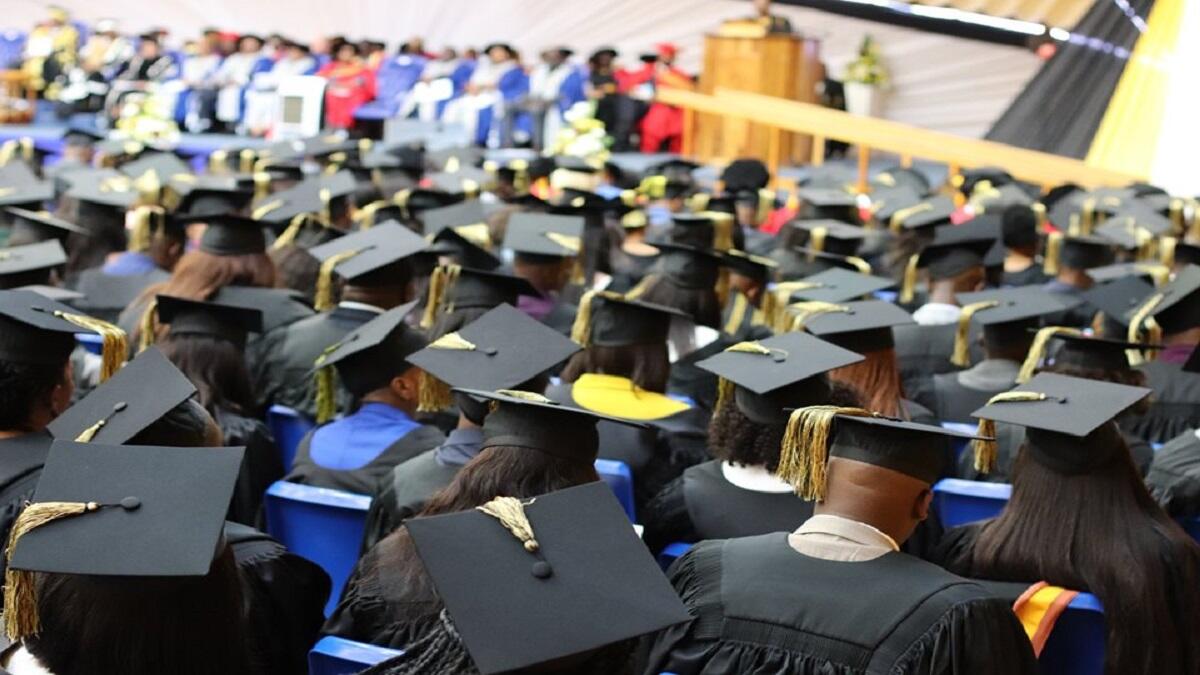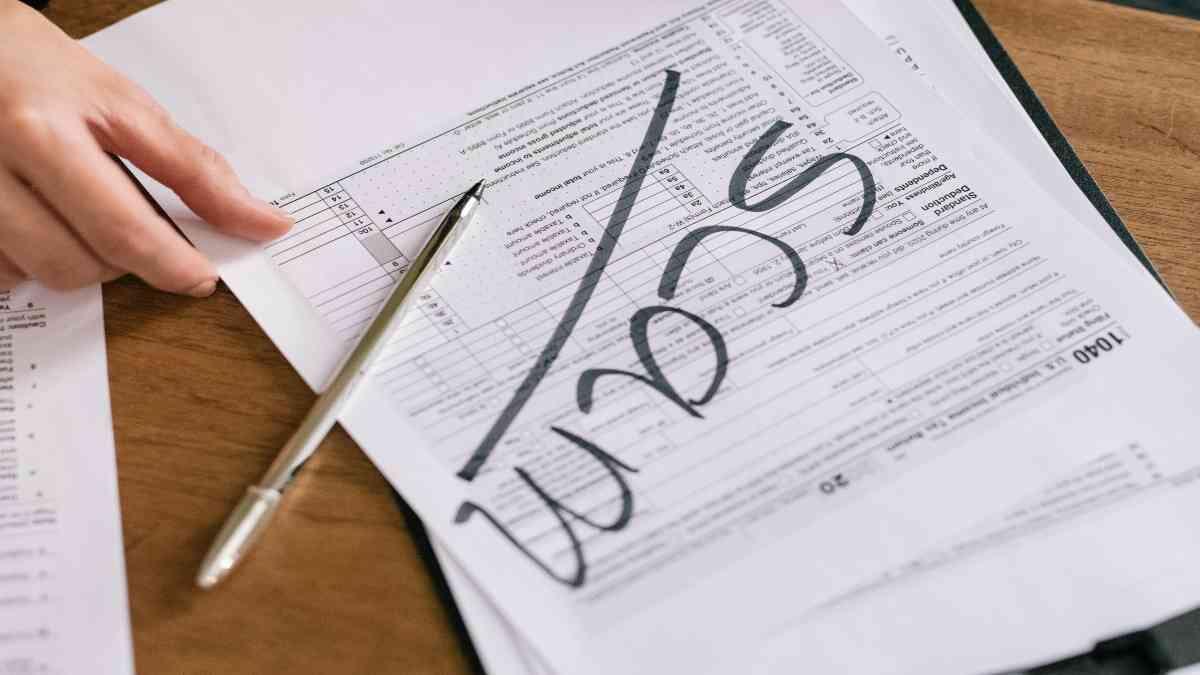
Over the years there has been an increase in the number of fake degrees, with experts putting it down to the high unemployment rate in the country. While measures are carried out to ensure that qualifications are verified, some go unnoticed for too long.
Discovery Of Fake Qualifications
In 2022 it was discovered that Eastern Cape Premier, Oscar Mabuyane, had falsified a qualification from the University of Fort Hare (UFH). While Mabuyane had a Bachelor’s Degree from the University, a forensic report found that the Premier in connection with UFH had put together a fake research proposal that resulted in him being awarded a Master’s Degree.
It was later discovered that Fort Hare’s Public Administration Department offered a “made to order” qualification service to well-connected politicians.
Last month, the Chief Executive of the Johannesburg Roads Agency, Tshepo Mahanuke, was fired after he used a fake Master’s Degree from Harvard University to land the R3,5 million per year job.
Why Do Individuals Falsify Their Qualifications?
This is not a new problem and unfortunately, the discovery of fraudulent qualifications amongst those in high-earning jobs is becoming increasingly common. Fake qualifications are most often discovered among government officials, politicians and senior executives.
People appear to be desperate to earn promotions and resort to cutting corners by falsifying qualifications to get there. Promotions go hand-in-hand with a higher salary, and many citizens seem to be fuelled by the idea of more money.
Another challenge is the high unemployment rate. Some will falsify matric certificates, as this is usually the minimum requirement for most jobs. When jobs are so scarce, some see scamming their way there as the only option.
Individuals must have the necessary degrees required for a job, as the knowledge and skills gained through these qualifications are oftentimes vital to be successful in the position and carrying out the functions of that department.
If an individual falsifies an engineering qualification, this could be detrimental to the service delivery sector as there are extremely important skills that are needed when carrying out these functions.
How Do These False Certificates Go Unnoticed?
These qualifications are verified by the Department of Higher Education and Training (DHET) and quality assurance bodies, including the South African Qualifications Authority (SAQA).
SAQA has investigated 1776 qualifications and found that 444 South African, and 832 foreign qualifications were fraudulent, respectively. This indicates that these verification systems are working, however, it seems that employers are not ensuring that the correct verification processes are conducted before hiring an applicant.
South African Verification Processes
With regards to South African qualifications specifically, the physical qualification from the higher education institution an individual attended cannot be duplicated.
South African qualifications are printed on a certain kind of paper using a specific colour that is difficult to replicate. This involves a coat of arms at the top of the page as well as a watermark. These security measures can easily be picked up with a magnifying glass.
At first glance, these certificates often look real, making it easier to deceive employers. However, if they are to properly investigate the paper and look at the security features, they may be more likely to notice when a certificate is fake.
Chief Director of the Examination and Assessment Department at the DHET, Violet Tshetlo, urges the public, specifically employers, to make use of the services offered by these verification and quality assurance bodies, and to be aware of the security features on our qualifications so that they are not misled.
Fraudulent qualifications threaten to damage the reputation of South African higher education institutions. Some of the country’s most prominent universities have been involved in these claims, and are now having their credibility questioned.