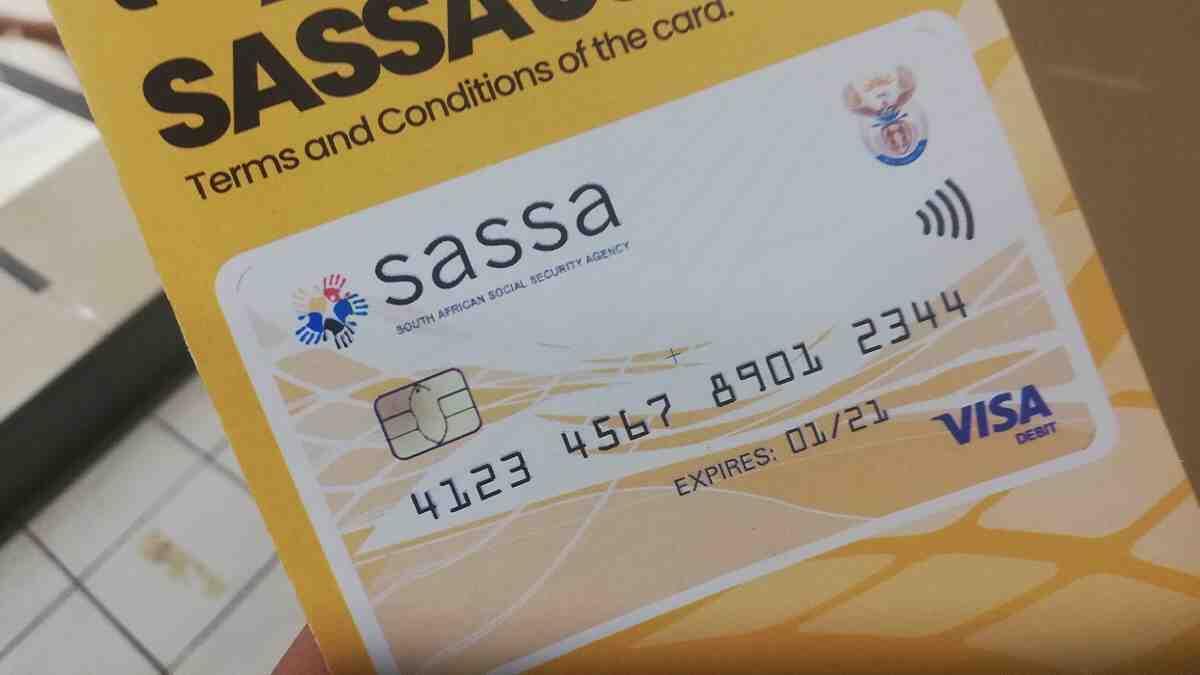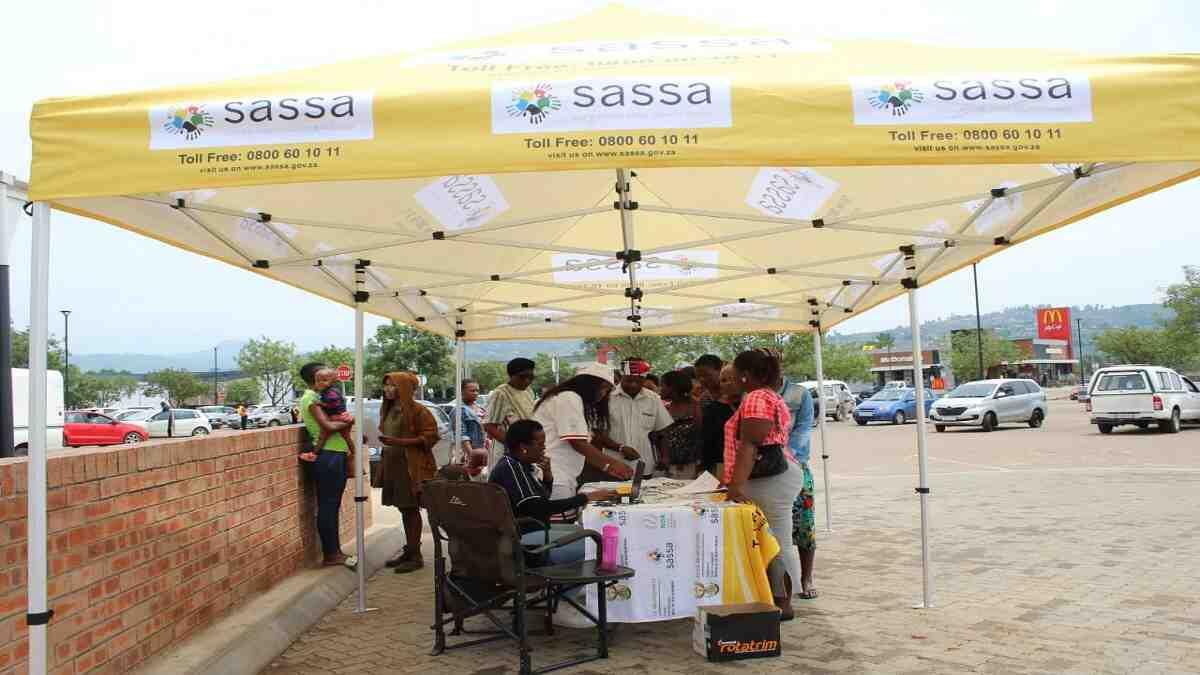
Over 29 million vulnerable South Africans rely on financial assistance each month. If beneficiaries do not receive their grants on time, it can have a major impact on their daily lives, as they are unable to meet their most basic needs.
In recent months, the South African Social Security Agency (Sassa) has failed to pay its grant beneficiaries on time. There are several reasons for these delays in payments, however, following questions from Members of Parliament, these concerns have been addressed.
Reasons For Delays In Grant Payments
The forced closure of Post Offices around the country has meant that recipients have had to collect their social grants from the Postbank. However, the Postbank was not given sufficient time to prepare to take over the contract and still rely on the South African Post Office (SAPO) for services, which are failing.
At the end of last year, the Postbank fell victim to several cyberattacks, resulting in technical glitches in the system. The same issues presented themselves in January of this year.
Another common reason for the delay in the payment of grants is the failure of beneficiaries to provide the correct banking information. This means that Sassa cannot verify their identity and is, therefore, unable to pay them.
What Is The Department Doing To Ensure Grants Are Paid On Time?
Sassa and the National Department of Social Development (DSD) have worked together to provide social assistance in the form of grants to qualifying citizens.
The National Treasury allocates funds to the DSD for social assistance grants and these funds cannot be used for any other purpose. Each year, the DSD requests approval from the National Treasury to disburse the grant funds on a monthly cash flow requirement aligned with the annual budget allocation.
The National Treasury is also responsible for approving the monthly grant payment dates.
A payment schedule instruction is submitted monthly by the DSD to the National Treasury to approve the payments to be released to all nine Sassa regions for the payment to grant beneficiaries as per agreed payment dates and amounts.
The DSD ensures that payments to Sassa are approved within four days of the scheduled payment dates. Once payments have been made, Sassa is required to submit expenditure reports every month to reflect all payments made. This is used as a monitoring mechanism.
A review of the agreement between the Department of the Post Office takes place to ensure that payments are made accurately and on time.
Finally, the DSD reviews Sassa’s performance reports.
What Is Sassa Doing To Ensure Grants Are Paid On Time?
Sassa has developed a schedule which is closely followed for processes leading to prepayment files extraction and actual payment extraction. This process includes the following:
- A process to verify new and changed bank accounts/cell phone numbers is performed daily, to ensure that there is no backlog of unverified accounts.
- Internal control processes are implemented to make sure that there is no delay in verification and payment processes.
- Processes exist to means test new and existing applications with banks.
- When grants are bulk paid, there is an agreement with banks and retailers to ensure that there is sufficient cash flow.
- The payment dates are staggered for social grants and Social Relief of Distress (SRD) grants to ensure that there is no disruption within the financial sector.
- Clients are kept informed via SMS regarding payment dates and processes.
- Biometric authentication exists for staff to ensure controls are in place.
What Is The Postbank Doing To Ensure Grants Are Paid On Time?
Postbank uses a Grants Payment System to facilitate social grant payment migration to a more stable environment from January 2023.
This was done in response to performance issues relating to infrastructure. The migration to the cloud platform also provided improved security in the Grants Payments system and reduced downtime. This is because the majority of payment challenges were related to the IT infrastructure.