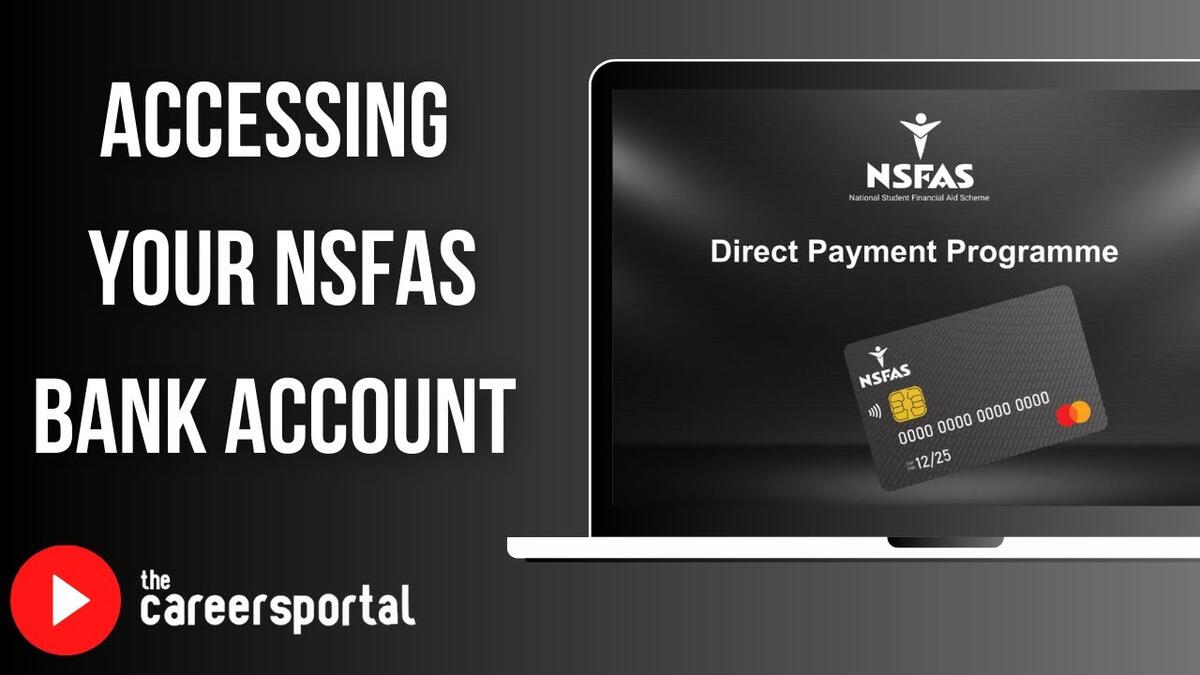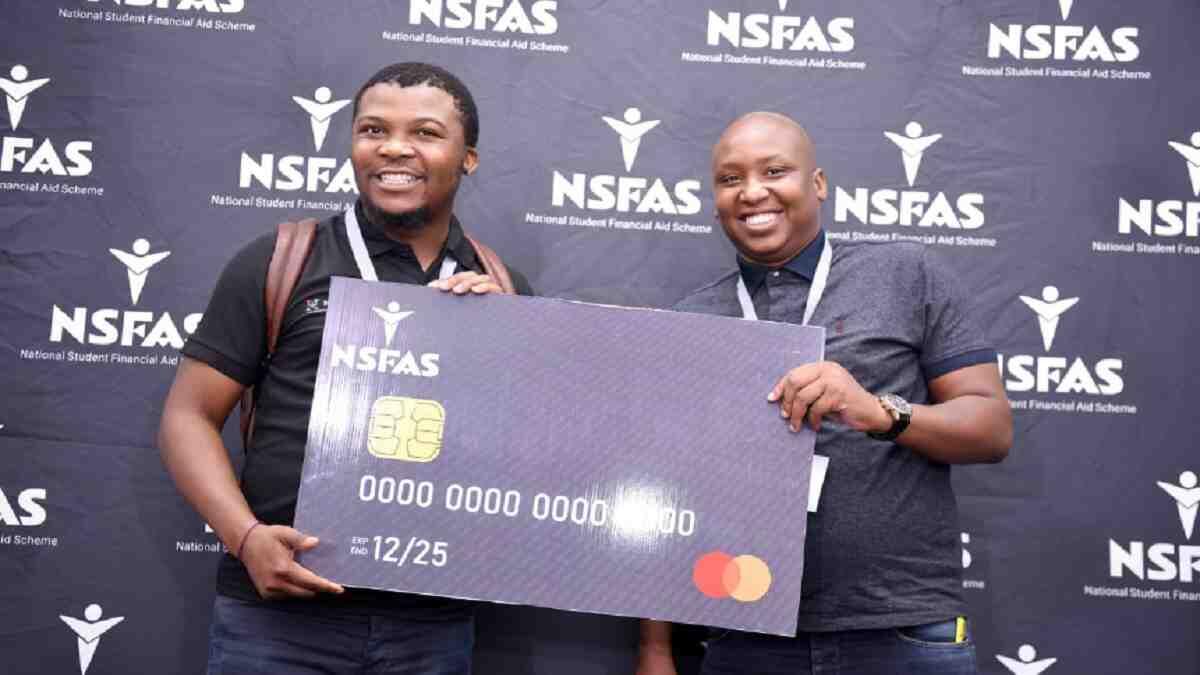
Last year the National Student Financial Aid Scheme (NSFAS) announced that it would no longer pay student allowances through institutions but would introduce a Mastercard System which would see beneficiaries receiving their allowances via a direct payment system.
According to the bursary scheme, the new bank account system will bring several benefits to students and is expected to improve the efficiency, convenience, and security of financial aid disbursements to students.
So far, the NSFAS Mastercard system has been piloted at several TVET colleges across the country and universities are also set to onboard within the coming months.
With university students expected to onboard onto the new direct payment system as of June, many have raised concerns saying that NSFAS has not provided enough information or training about the process and the onboarding.
Stellenbosch University SRC secretary Phiwokuhle Qabaka says they have voiced their objection on the new payment method throughout engagements NSFAS officials but have not received responses from the scheme.
Qabaka noted that while the new system is supposed to eliminate previous challenges faced with student allowances, from what they have seen, it is no different to the current system. She adds, “There's still a third party that is involved within the direct payments.”
The bursary scheme partnered with Coinvest, Tenet Technology, eZaga and Norraca to distribute student allowances via the NSFAS Mastercard.
We are just concerned on how they are going to implement this thing across universities because as it currently stands, a number of institutions — even ours have not even received information on the onboarding.
She continues, “By the time the 1st of June comes then we'll faced with questions from our students what they need to do now.”
Last month students in the TVET sector voiced concerns about fraudulent withdrawals, system glitches and exorbitant bank service fees, which left them with zero balances in their accounts.
Other students reported receiving notifications that allowances of over R10,000 have been deposited into their accounts but before they could withdraw the funds, the money had already been taken from their accounts by other individuals.
Qabaka says that the challenges seen across the TVET sector has highlighted that the system is not working how NSFAS claimed it would.
In addition to this, students have also noted that they have been struggling to contact the bank account service providers for assistance.
What we are also seeing in the TVET college sector as well is that students cannot reach the people that are you know responsible for this in order to solve their problems.
She added that at least with the current payment systems, students know where to go for assistance and which office to go to if they not receiving their allowances.
Meanwhile, students from a number of universities are planning to march to NSFAS offices on Wednesday to raise concerns about the financial aid scheme.
Some of their main concerns are the outcomes of the appeals on funding and the new NSFAS bank account payment method.