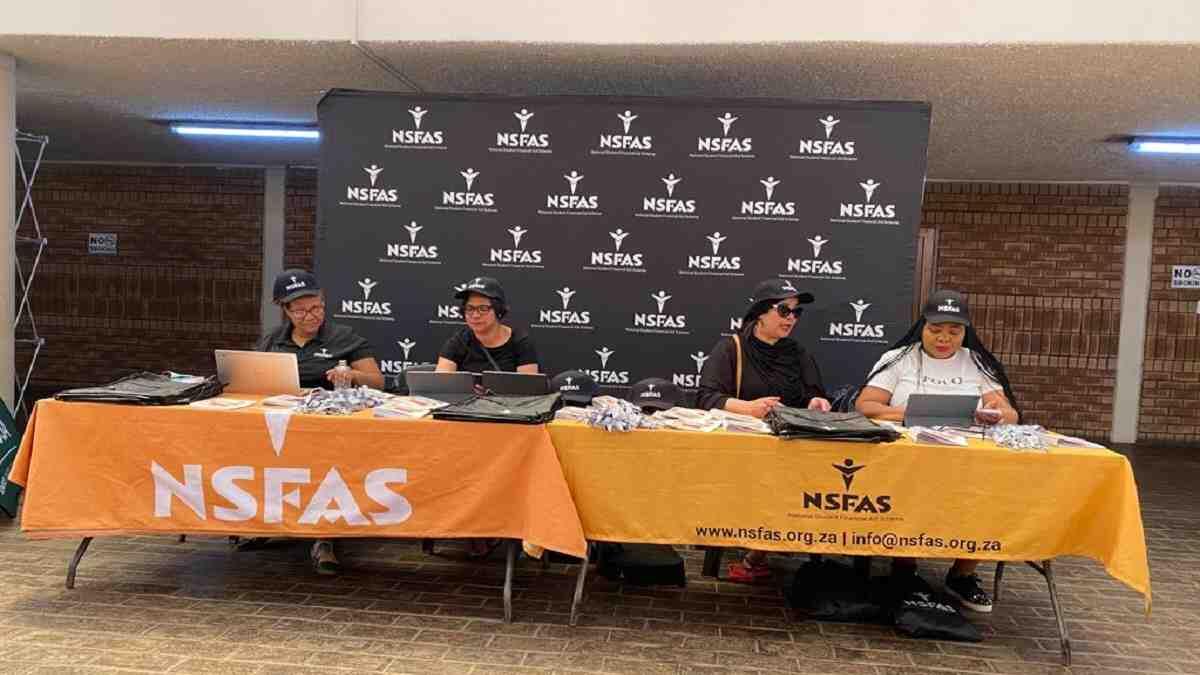
The National Student Financial Aid Scheme (NSFAS) is set to review the accommodation allowance cap, according to its new administrator. This comes as stakeholders are concerned that the accommodation caps don’t align with rental costs in some areas.
NSFAS provides comprehensive bursaries and student loans to eligible students enrolled in approved programmes at universities and Technical and Vocational Education and Training (TVET) colleges in South Africa.
The NSFAS accommodation allowance ensures that thousands of students can live near their institutions of learning through the provision of an accommodation cap. The introduction of the cap in 2022 has been a contentious issue for NSFAS-funded students with some arguing that the
At the beginning of 2024, NSFAS implemented new accommodation caps with differentiation between metro (R50,000) and non-metro areas (R41,000). This adjustment, based on research, aims for responsible spending by the government bursary scheme. Non-metro institutions can propose higher caps, subject to NSFAS approval.
NSFAS administrator Freeman Nomvalo revealed that a team will be set up to evaluate the impact of the accommodation cap and whether or not it needs to be adjusted. They acknowledged that government resources are not unlimited and therefore need to be responsible for cap determinations.
We don't have unlimited resources, we do take the concern that it [accommodation cap] may not be economical in some instances.
Nomvalo is confident that should it be determined that the current accommodation caps are inadequate, NSFAS will work to resolve any challenges it may cause.
The team that I'm going to be putting in place, we're going to be evaluating those claims [the impact of accommodation caps] so that we can then see if there's a need to review the policy position that is in place and if that need arises we will have a look at it.
However, an immediate adjustment to the accommodation cap may be out of the question. Nomvalo concedes that NSFAS must work in the current policy framework.
At the moment we have to deal with the outcome of past decisions and past practices that have resulted in the backlog.
Nomvalo adds that NSFAS’ main concern now is dealing with outstanding accommodation allowance payments to landlords to prevent students from being evicted.
To resolve this by the end of May 2024, NSFAS set up a dedicated email address [email protected] where landlords can submit their challenges. NSFAS also set up a team to address inquiries. They also plan to increase the team's capacity for faster resolution.
Our focus is helping our students and therefore we've got to put every resource that we have into ensuring that this matter is dealt with.
Nomvalo acknowledges that businesses need to make money to operate and provide services to NSFAS students. They add that should NSFAS fail to resolve the outstanding accommodation allowance payments challenges, then students may suffer.
Businesses do not operate on spirits or anything like that, they need financial resources in order to operate, that is the fuel that makes businesses operate and that's how we have to make sure we address this problem.
"If we don't address it, businesses will close down, people will lose their jobs and all of those things we and most importantly students will be left stranded."