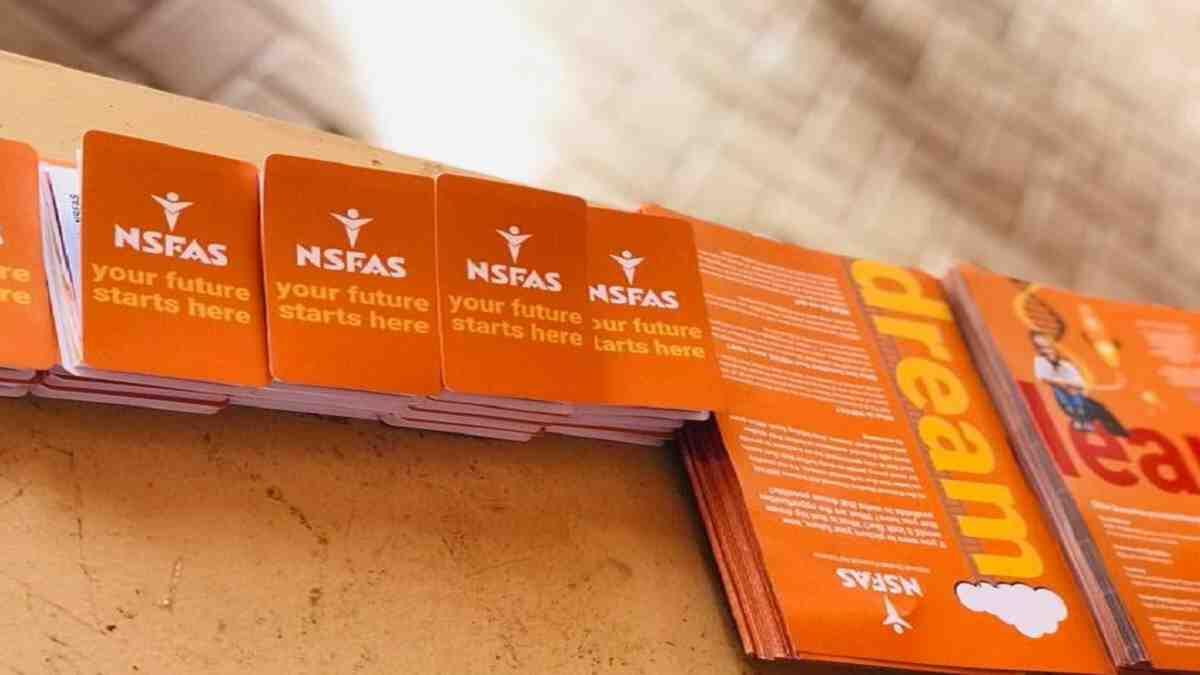
The National Student Financial Aid Scheme (NSFAS) said the change in its allowance payment plan for Technical and Vocational Education and Training (TVET) college students have reduced delays and brought greater stability to the system.
NSFAS provides comprehensive bursaries and student loans to deserving learners enrolled in approved courses at universities and TVET colleges. This funding includes money for tuition and registration fees as well as several allowances.
Since May 2024, NSFAS has been disbursing allowances directly to students' personal bank accounts. NSFAS new system has significantly reduced costs and improved efficiency.
Preparing For The 2025 Academic Year
During a recent parliamentary meeting of the Committee on Higher Education, various stakeholders, including DHET, USAf, SAPCO, SAUS, SATVETSA, and NSFAS, gathered to discuss the readiness for the 2025 academic year.
The South African TVET Student Association (SATVETSA) called on NSFAS to give attention to several matters related to students funding. This includes aligning allowances between TVET college and university students as well as increasing the allowances to reflect rising costs of necessities, including food.
SATVETSA further called on NSFAS to introduce funding for electronic devices to enhance e-learning capabilities.
They also called for the Household Thresholds to be raised. They explained that reviewing the current R350,000 income threshold, set in 2016, must reflect the ongoing economic challenges in the country.
NSFAS partnered with SATVETSA to pilot a student accommodation initiative aimed at addressing the critical housing shortage in the TVET sector.
Despite reporting notable progress several challenges have persisted. These challenges emphasised the need for a clear policy framework on student accommodation as well as a centralised onboarding system which NSFAS or institutions must oversee student accommodation allocations to prevent loopholes caused by self-allocation.
Further calls were made for Off-take agreements that could incentivise rural communities to build and maintain accommodation near TVET campuses. This is because many student accommodation facilities are located in areas with available land but limited housing.
Introducing transport allowances for students in rural areas is crucial, said SATVETSA.
Establishing a unified landlord structure to streamline consultation and issue resolution.
Registration Challenges and Preparation for 2025
Concerns have been raised regarding NSFAS’s readiness for the 2025 academic year. Registrars highlighted unresolved issues from 2024 that require urgent attention, including delays in processing funding applications, delayed disbursement of allowances, inefficiencies in processing appeals and private accommodation challenges.
NSFAS said efforts to address these concerns include ongoing consultations with stakeholders such as private accommodation providers, universities, and student leaders.
Calls For Improved NSFAS Appeal Processing
NSFAS received 193,443 appeals in the 2024 academic year, with 79,723 successfully funded. However, even as late as October 2024, thousands of appeals remained unresolved.
To improve the process, a dedicated committee has been established to oversee appeals objectively and independently. They believe this will ensure timely review and resolution of rejected cases.
NSFAS will continue to engage stakeholders and implement measures to address recurring challenges in preparation for the 2025 academic year.