The South African Union of Students (SAUS) has condemned the suspension of Sefako Makgatho University's SRC president and secretary general due to protests over unpaid NSFAS allowances.
It is estimated that around 250 students from SMU have been attending classes since the second week in January, but have not received any allowances from NSFAS.
These students have reached out several times and some of them have even gone as far as travelling from Gauteng to the Western Cape to pay a visit to the NSFAS offices.
The general consensus amongst students is that it is a blame game between NSFAS and the University.
An SMU university spokesperson has said that the university had made some effort to cover the shortfall by spending as much as R40 million. This however was not enough to help cover all the students in need.
SAUS spokesperson Asive Dlanjwa says that the reason the problem exists and is not being resolved is that the Department of Higher Education not being able to run the sector so that there is coherence between NSFAS, the institutions and the department.
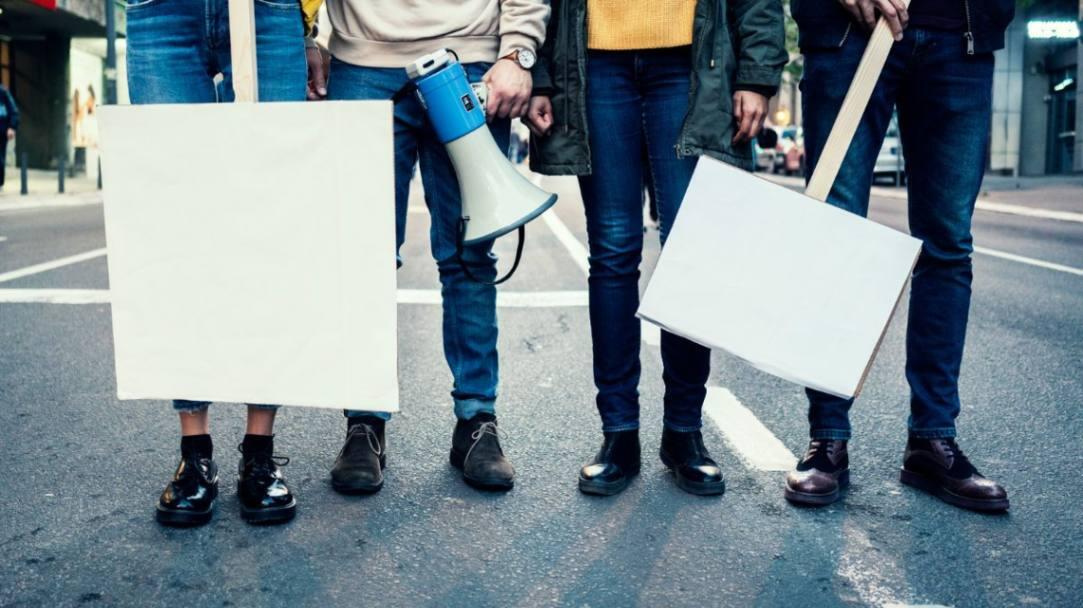
Dlanjwa has explained that the slow response and an inability to resolve the problem, have led to student protests, as many students have not had their basic human right to food and shelter.
These protests have led to the president and secretary general of SMU's SRC being suspended.
The reasoning for the suspensions, according to Dlanjwa was a tactic by the university to intimidate the students protesting but he feels it instead just left the protests without leaders.
He goes on to say that the protest was peaceful and the only forms of violence that occurred were the students who were beaten by the private security at the institution.
Dlanjwa said that SAUS has reached out to both the university and NSFAS in the hope of having an urgent meeting in order to resolve the issue at hand. The university has since reached out and has confirmed that the suspended students will be reinstated and not removed from campus.
The accommodation issue for the most part has been dealt with, particularly those students who were residing inside the institution. The challenge would now be those students who live in private accommodation says Dlanjwa.
SAUS will continue to work with the institution, the department and NSFAS in order to help resolve the current problem of students not receiving NSFAS allowances in order to pay for accommodation and food.