Statistics South Africa (StatsSA) release of the 2023 household survey indicates that social grants remain crucial, especially in the poorest provinces. The proportion of households and individuals benefiting from social grants increased from 12,8% in 2003 to 30,9% in 2019 and surged to 39,4% in 2023 due to the introduction of the special COVID-19 Social Relief of Distress (SRD) grant.
Wits University's Professor Alex van den Heever says the indication that one of every three households in South Africa emphasises the critical role social grants play in maintaining social stability as South Africa grapples with high unemployment and economic distress.
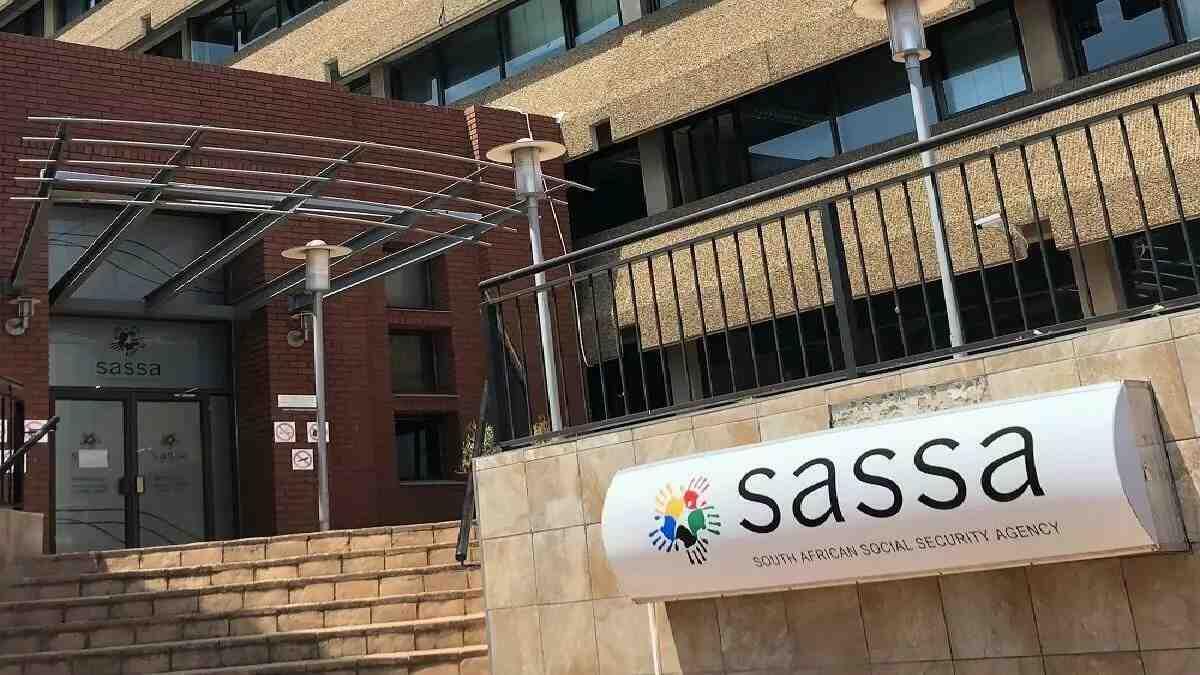
The South African Social Security Agency (Sassa) distributes permanent grants to more than 18 million people monthly. Grants distributed by Sassa include Older Persons pension grants, Disability grants, War Veterans grants, Care Dependency grants, Foster Child grants, Child Support grants, Child Support grant Top-Up and Grant-in-aid.
Van den Heever says these grants are essential for mitigating the effects of severe income inequality and unemployment.
However, while these grants help alleviate extreme poverty, they do not address the root causes of economic stagnation according to Van den Heever. They noted that South Africa's poor economic growth performance limits the effectiveness of social grants in creating long-term solutions.
They add that the grants primarily prevent social exclusion rather than lifting individuals out of poverty.
Social grants and these income redistribution schemes are critical for maintaining some social coherence in a country large in quite significant social distress.
Van den Heever adds that the significant increase in grant beneficiaries due to the introduction of the SRD grant shows how bad South Africa’s unemployment problems are.
In the first quarter of 2024, South Africa's unemployment rate climbed to 32.9%. The SRD grant is the only social grant offered by the government specifically targeted to assist unemployed individuals living in South Africa.
The SRD grant has been a mainstay since its introduction in 2020 and its implementation could remain in place until 2027 should the government have the budget.
President Cyril Ramaphosa, along with the Department of Social Development has proposed the introduction of a Basic Income Grant, a move that van den Heever supports, suggesting it could have positive socioeconomic impacts without significant negative fiscal effects.
However, he cautions that its implementation should be gradual to ensure sustainability.
nevertheless, you would want to introduce it cautiously over time and not necessarily put them rely on significant tax increases to do it so I would expect going forward that there would be a sort of a positive progressive enhancement of of the SRD Grant into a much better Grant