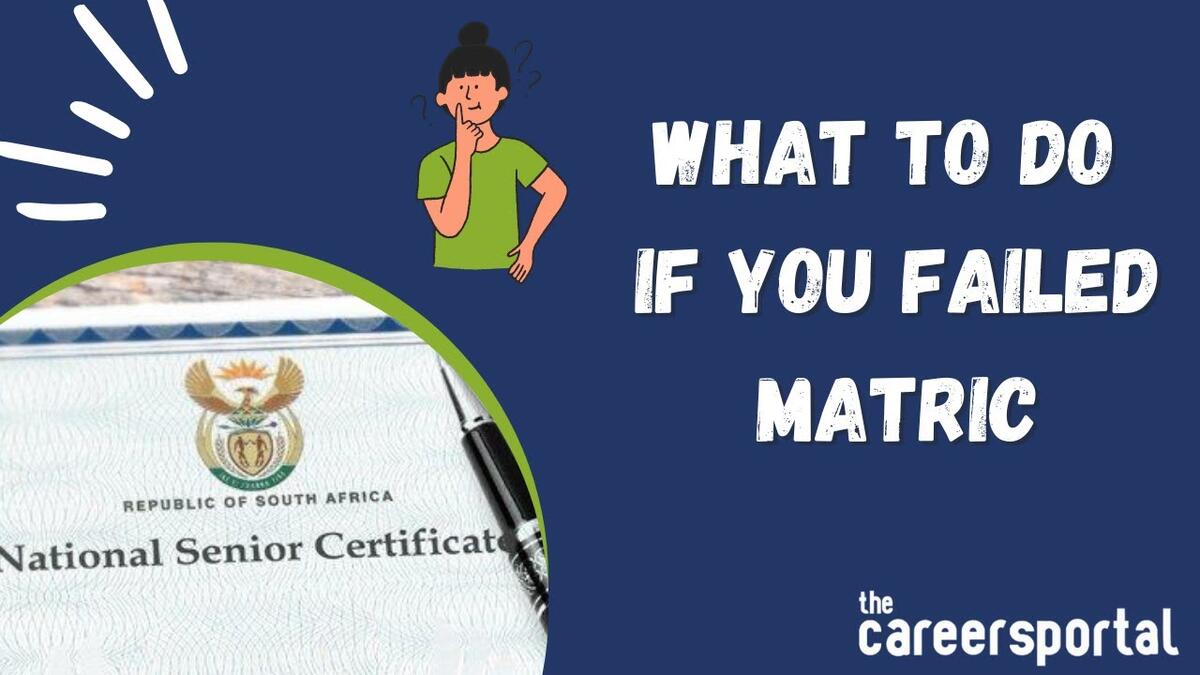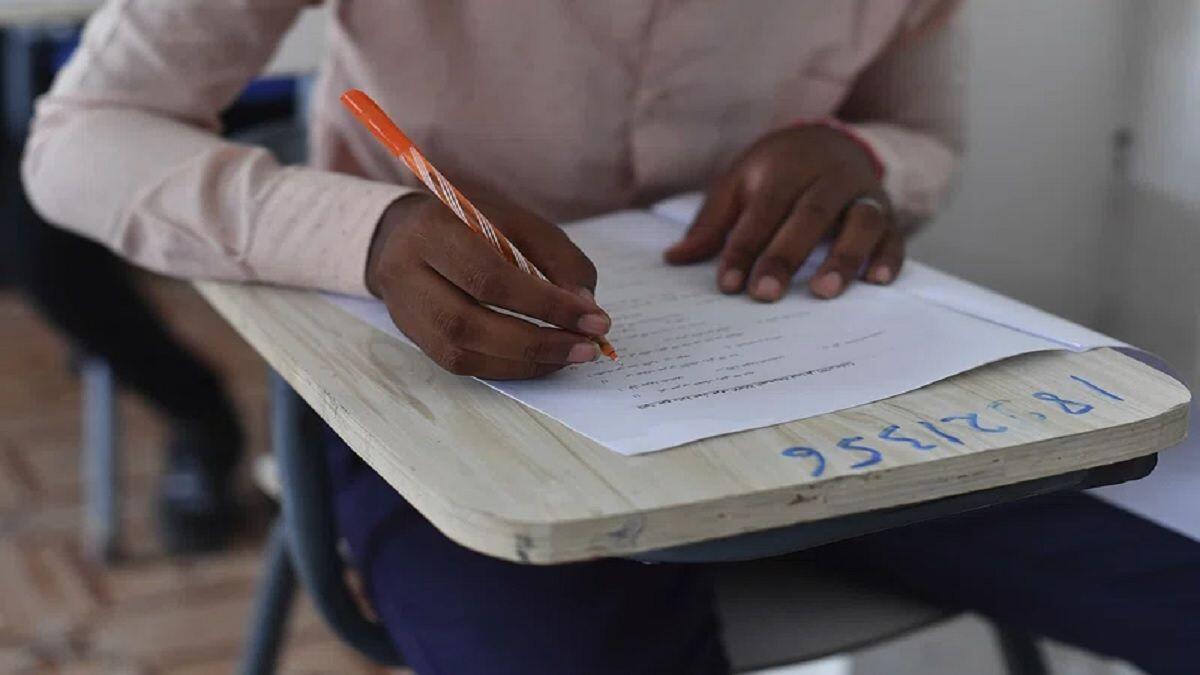
Every year, grade 12 learners sit to write the final National Senior Certificate (NSC) exams, but not all learners make it to grade 12, and even those who make it unfortunately don’t pass.
This is where the Senior Certificate comes in handy, addressing some shortfalls of the NSC.
The Senior Certificate is aimed at candidates who successfully completed Grade 9, but discontinued their education before taking the Grade 12 exams.
It also applies to individuals who completed their final year of schooling after turning 21 years old, as well as those who took their matric exams more than three years ago, but wish to improve their results.
These individuals are classified as ‘adult candidates’, unlike the candidates that receive the more widely known National Senior Certificate.
In order to receive the SC, adult candidates must:
- Pass three subjects at 40%. One of these subjects must be an official language at Home Language level.
- Pass two subjects at 30%. One of these subjects must be an official language at First Additional or Home Language level.
- Obtain a minimum of 20% in the sixth subject.
While there are a few things that set them apart, the Senior Certificate is essentially the equivalent of the National Senior Certificate. The main difference between the two is how results are determined.
Results for the SC are based solely on exams, while results for the NSC are based on exams and School-Based Assessments.