With some of the poorest academic results relative to GDP per capita, it is obvious that the South African education system is in crisis.
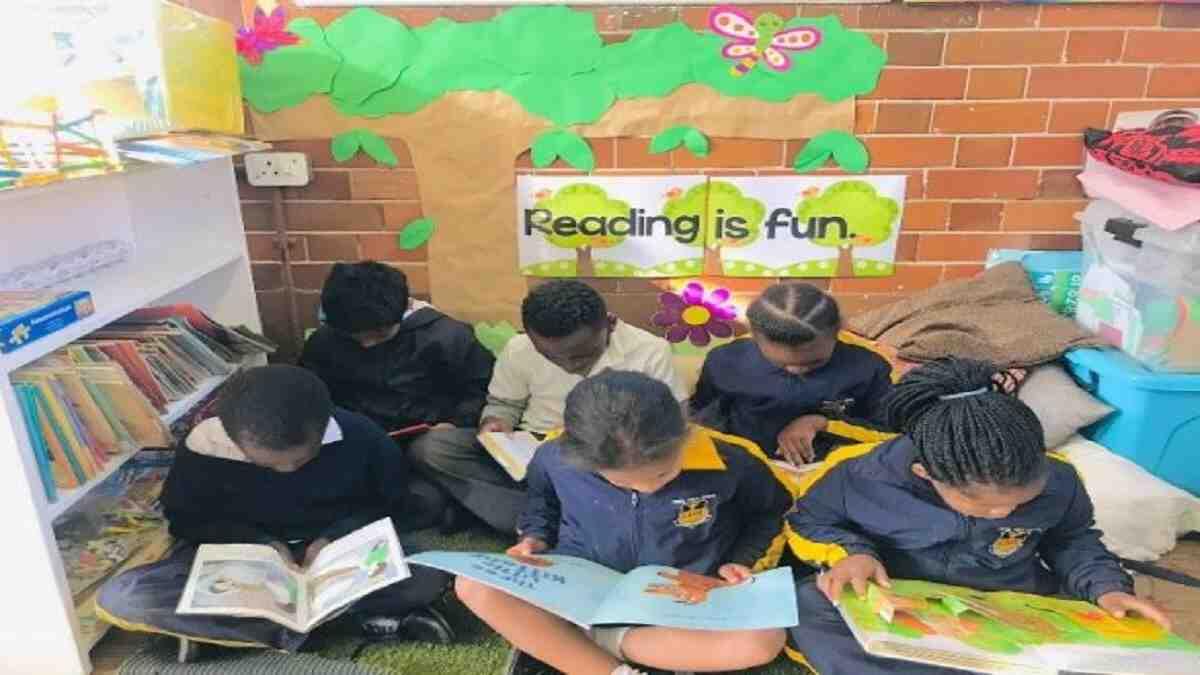
Young children are being failed by the level of education they are receiving, preventing them from establishing strong learning foundations. The majority of young pupils are not being taught to read, write or understand basic mathematics, resulting in calls for the Minister of Basic Education to be dismissed.
The Centre for Development and Enterprise (CDE) has recently released reports and statistics outlining the state of education in South Africa's public schools.
The findings revealed that the country's education sector has a poorer academic performance than Kenya and Tanzania and is the biggest learning under-performer relative to GDP per capita among low and middle-income countries.
Furthermore, the CDE report indicated that statistics from 2016, 2019 and 2021 show that respectively the majority of grade fours could not read for meaning in any language, just over a third of grade fives only had basic maths knowledge and more than half of grade ones did not know the letters of the alphabet, despite attending school for a year.
The devastating reality is that young pupils are being failed by the basic education system. South Africa is consistently performing near the bottom, if not last, in international tests.
Furthermore, students are tested a year later than the grade the tests are originally designed for. So tests that are designed for grade nines and being written by grade tens.
According to Ann Berstein, the Executive Director of the CDE, 50% of learners in grade six do not go on to complete matric. Half of students end up dropping out, failing or having to repeat a year or even multiple years of school.
She further goes on to explain that the annual matric results cannot be used as an indicator of how well learners are performing, when half of them are not completing their schooling.
Positions of power in the schooling system have been bought and approximately 80% of teachers lack the vital skills and content knowledge needed to teach their respective subjects. On top of that, South Africa has one of the highest rates of teacher absenteeism in the SADC.
Previously, Motshekga did try to implement accountability measures, however, corruption and pushback from teachers unions, like the South African Democratic Teachers Union (SADTU), resulted in her backing down while the education system continues to crumble.
In 2014, the Basic Education Minister established a Task Team to identify the critical issues schools were facing and in 2016 they reported back with practical recommendations, however, none of these recommendations have been implemented.
Berstein states that despite reading and learning goals voiced by the President, there is no budget, no plans and no targets developed in order to achieve these goals, so rather than progressing, South Africa is only falling further behind.
This is a silent crisis and it's time that all of us - civil society, business, NGOs, churches, parents, everybody should be screaming much more loudly that something fundamental has to be done.
The Department is in need of new energy, new plans and a complete reconstruction and reform, as education needs to be made a national priority.