When the Covid-19 pandemic began, the Department of Basic Education (DBE) moved to a rotational school calendar. This rotational school calendar saw learners attend school on alternative days.
While this resulted in major learning losses in the education sector, learners who had access to the internet had the ability to learn online. This access meant that many private and former model-c schools continue their school curriculum online.
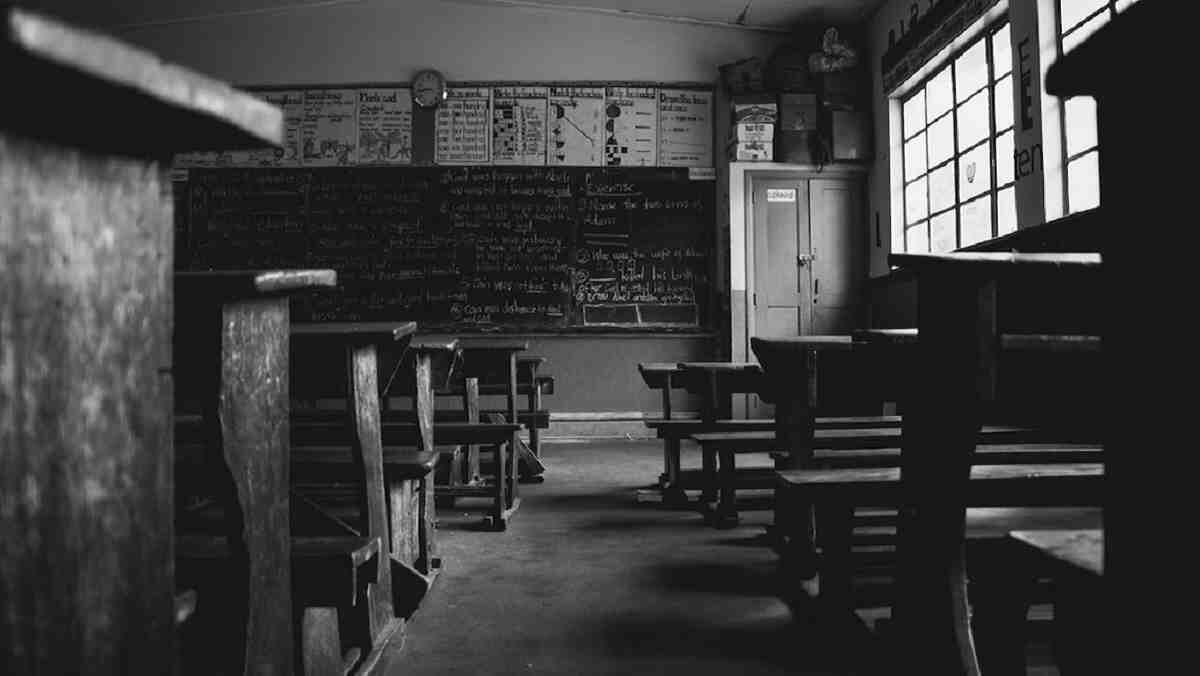
Schools located in poor communities could not take their teaching online which meant that their learners experienced greater learning losses than they would have if they had access to internet and data facilities.
The Legal Resources Centre found that the lack of proper infrastructure in the ongoing electricity crisis may have exacerbated the disadvantages of many poor pupils.
Muyenga Mugerwa-Sekawabe from Legal Resources Center says only about 20% of public schools in South Africa have access to internet and data facilities. An overwhelming number of the schools that have access to the internet and data are former model -c schools.
The majority of schools that do not have access to the internet cater to Black, Indian and Coloured learners.
Mugerwa-Sekawabe says learners are at least one year behind then they would have been if not for the learning losses brought upon by the lockdown and rotational learning. They believe that even without the pandemic, learners from poorer schools require access to the skills developed from using computers and the internet.
They said, “Whilst the Covid-19 pandemic did put the spotlight on the situation, it's not something we should be forgetting about now that the Covid-19 restrictions have left.”
The lack of access to internet and data in public schools will have knock-on effects for children and will hamper their potential to compete for economic and social opportunities in the digitised environment
In 2013, the DBE launched the Norms and Standards for School Infrastructure which stated that access to computers and internet must be rolled out in schools within a seven year period. However, the department has missed these deadlines.
Mugerwa-Sekawabe says the lack of access to internet and data facilities in South Africa has a racial component. They argue these systematic challenges must be addressed and the absence of a comprehensive plan will perpetuate inequality.