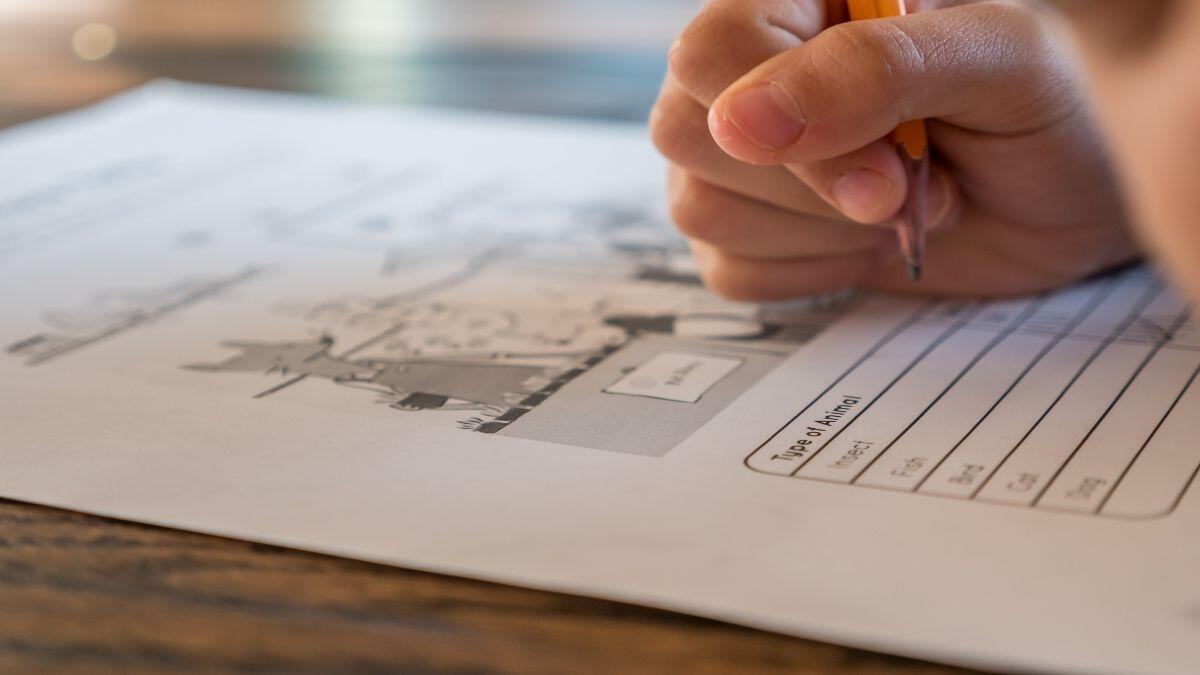
With the exam season coming up, some students may have concerns around how they are going to perform their best when dealing with special needs or a disability. Fortunately, the University of South Africa (Unisa) has announced measures they have in place to ensure that these students are supported during their online and in-person exams.
A permanent disability refers to a disability that affects the major life function of a person over the long term. The following disabilities and special needs are included as permanent disabilities and are approved by Senate in May 2015.
List of Possible Permanent Disabilities
- Visually impaired (blind)
- Visually impaired (not blind, difficult to read printed text)
- Visually impaired (not blind, maybe sensitive to light, colour)
- Hearing disability (study material on audio/video should have transcription)
- Hearing impairment (deaf, hard of hearing, deafened students)
- Learning impairments (dyslexia or similar learning disabilities)
- Communication and speech impairment that have a disabling effect and have been medically diagnosed (for example, stuttering)
- Physical impairment (Cerebral palsy, amputations)
- Physical impairment (quadraplegic)
- Physical impairment (paraplegic)
- Epilepsy
- Muscular/skeletal/joint/limb impairment/diseases that have disabling effect
- Neurological impairment such as multiple sclerosis
- Cardiovascular diseases
- Kidney and blood deficiencies
- Stroke/brain disorders that have disabling effect
- Mental/psychological impairment and mental disorders/phobias/chemical imbalances/psychiatric illnesses that have a disabling effect and have been diagnosed as such
- Diabetes
- Serious chronic illnesses that have various disabling effects
- Multiple disabilities
Accommodations for students with a mobility or physical disability
- Alternative input methods such as a joystick, head mouse, alternative keyboards, voice recognition systems and pointers
- Adjustable furniture
- Digital recorders
- Other cases of reasonable accommodation that relate to awareness raising measures so that those with disabilities can perform their assessments
A temporary disability refers to a condition from which a person recovers, such as illness or injury. A temporary disability typically lasts for up to two years. Examples include broken limbs, hand injuries, pregnancy, or short-term impairments following surgery or medical treatments.
The following current and future arrangements exist:
- Separate venues such as computer labs catered to students with special needs
- Writing at home with own laptop
- Enlarged print (A3 size) or software-based magnifiers
- Extra time
- Completing the exam on a computer
- Using a blank USB flash drive to save answers (this flash drive will be couriered to the Examination Administration Department for processing)
- Question paper in audio format
- Question papers in Braille
Decisions regarding reasonable accommodation are made on a case-by-case basis. If you are seeking reasonable accommodation are required to discuss your needs with the University.
A medical certificate from a Medical Practitioner, registered with the Health Professions Council of South Africa (HPCSA), including a Psychiatrist, Psychologist or an Occupational Therapist or a recognised non-governmental organisation catering for that particular disability, must be submitted in support of all applications for Special Examination Arrangements. These will only apply to students with a Permanent or Temporary disability. Students with a permanent disability will only be required to submit the above mentioned certificate when applying for the first time.
The University will make the same arrangements for the student for the duration of their term of study with the University.
The deadline for requesting reasonable accommodation for first semester was 31 March 2023. The deadline for requesting reasonable accommodation for the second semester is 31 August 2023.