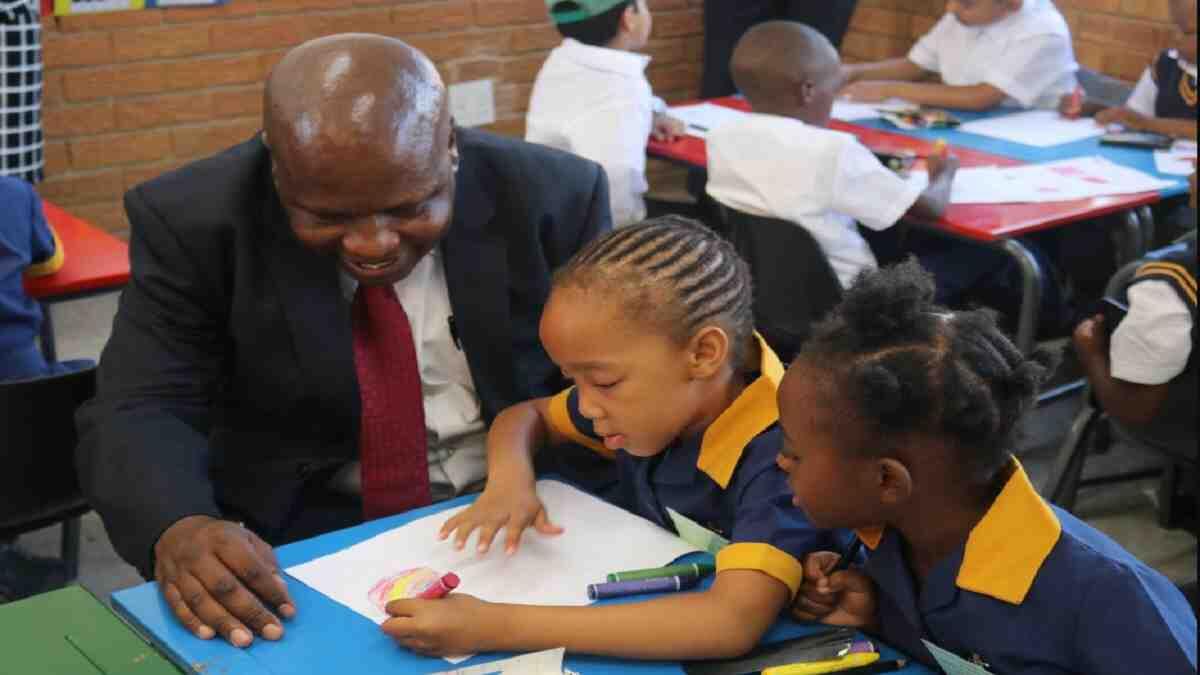
With a budget of more than R2 billion that’s meant to cater to more than 2 million learners across 5,400 schools in the province, KwaZulu-Natal is the National School Nutrition Programme's biggest beneficiary.
The interruption to the delivery of meals to KZN schools meant that thousands of learners went without what is their only nutritious meal of the day.
The food crisis also saw several schools cancel academic activities after the Easter break.
Basic Education Intervention
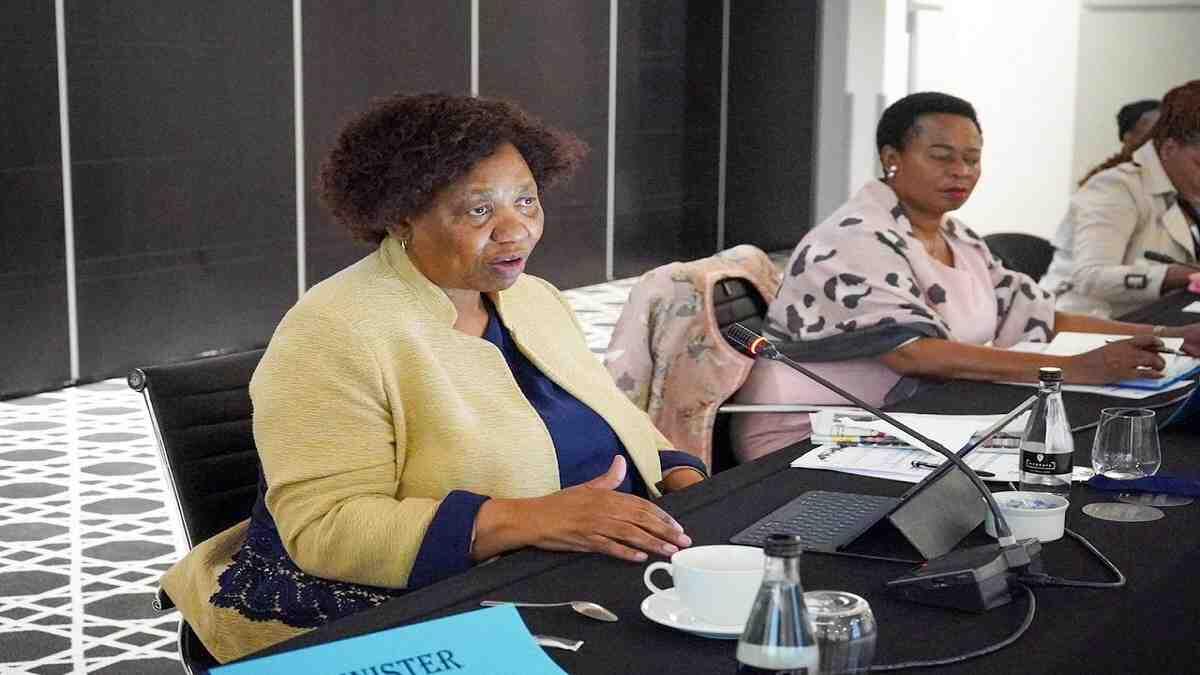
Following weeks of discourse, Basic Education Minister, Angie Motshekga has asked for clarity regarding the contract with Pacina Retail, the company contracted by the KZN Education Department to supply food to school feeding schemes.
The company’s failure to deliver left millions of children hungry.
Speaking on the food crisis, Motshekga apologised to the communities affected by the non-delivery of the school food programme and says that she wrote to the provincial education department, informing them of her intervention.
Motshekga noted that she wants all documents proving that procurement processes were above board.
We are managing the situation to make sure that we sort of the interim processes and whilst we deal with the contract we work within the framework of the law we don't waste money but also don't get ourselves into any legal challenges
Meanwhile, Pacina Retail claims it has not received any payment for the R2.1 billion tender.
As a result, Pacina withdraw from the contract and will no longer supply food to schools in KwaZulu-Natal through the National School Nutrition Programme.
Basic Education spokesperson, Elijah Mhlanga says that Pacina Retail wrote an email to the HOD of the provincial education department Mr Nkosinathi Ngcobo, informing him that they were opting out of the contract.
Mhlanga says that Pacina withdrew from the tender before the provincial education department could terminate the contract.
Responding to concerns on why the tender was awarded to one supplier and not multiple suppliers, Mhlanga explained that having multiple suppliers becomes a huge challenge in terms of monitoring them all to ensure that the same quality of food is delivered on time to every learner.
Even before this Pacina matter, there were already issues in terms of the administration of the programme, the research which we conducted indicated that there were inefficiencies within the system.
Currently, the department's mains focus is to restore the feeding programme and to make sure that learners are receiving their daily meals.
“Our service providers are working, we believe that in the next few days there will be 100% coverage in terms of delivering food to every learner,” Mhlanga continued.
The rest of the investigations will continue once schools have received food deliveries and all learners receive daily meals.