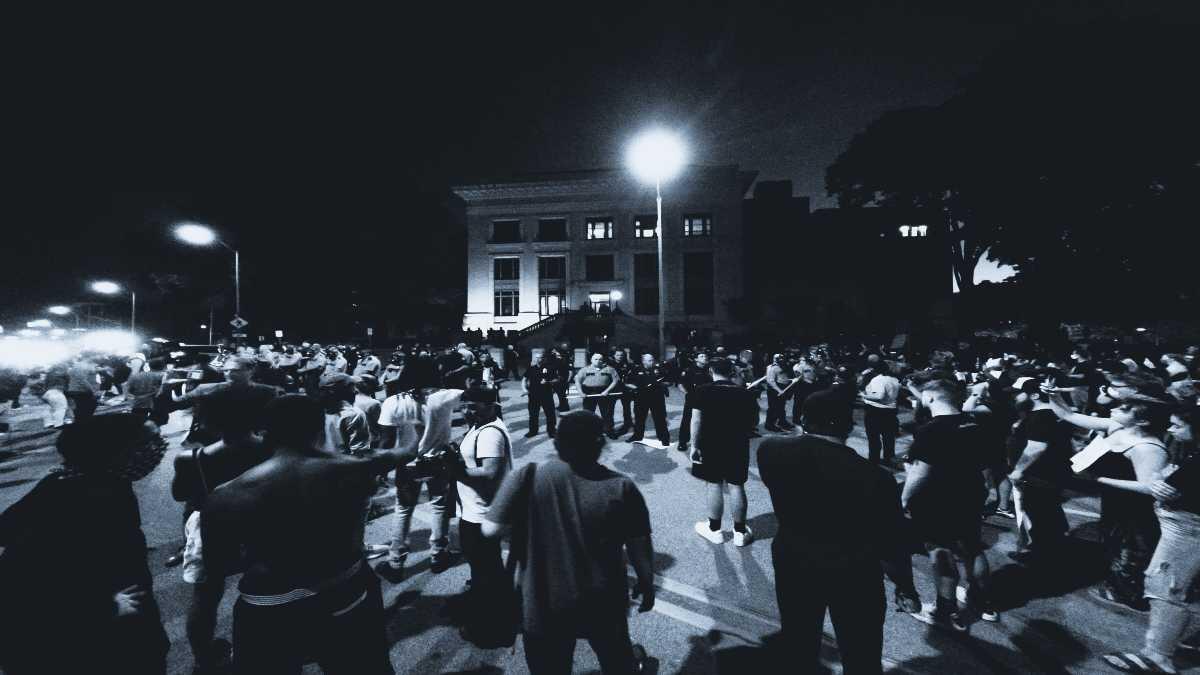
Student protests at South Africa’s higher education institutions are a common occurrence and typically start upon registration each year, however, when these problems are not addressed with urgency, they last throughout the year too. In many cases, these protests have resulted in violence, arson, vandalism and disruptions to the academic programme.
Members of Parliament have raised concerns about what the Department of Higher Education (DHET) is doing to prevent this from happening year after year.
What Is Leading To These Student Protests?
Most of the student protests begin at the start of the academic year in January and end around March. The Department states that the cause of these protests varies each year. In 2015 and 2016 students were protesting about free education, sparking the “Fees Must Fall” campaign.
In 2018 and 2019, students were demanding funding for missing middle and postgraduate students, academic and financial exclusions, accommodation, transport allowances for students not living in university-managed accommodation, issuing of academic records for students who have student debt, as well as insourcing of university services such as cleaning, catering and security.
The pandemic and subsequent lockdown meant that the 2020 and 2021 protests were mainly concerning blended learning and access to laptops and data. Students who did not have access to these devices were excluded and demanded that the online exams be held in person. Additionally, students began protesting around the Covid-19 vaccination that many institutions made mandatory.
Last year, students’ main concerns were regarding academic and financial exclusion, funding from the National Student Financial Aid Scheme (NSFAS), the lack of funding for missing middle and postgraduate students, student debt and fee increases, insufficient student accommodation and issues of gender-based violence (GBV).
This year, challenges regarding registration, accommodation shortages and changes to the NSFAS allowances sparked protest action that lasted well into the academic year.
What Interventions Does The Department Have In Place?
South Africa’s higher education institutions are autonomous so the majority of these challenges require institutional interventions. However, systemic problems require a structured and organised intervention from the DHET.
Long-term planning and solutions are needed to address some of these problems, such as student accommodation shortages and funding for missing middle and postgraduate students. This requires sufficient time and financial resources to deal with.
The Department and relevant stakeholders are in ongoing discussions concerning the challenges raised by students at our public institutions.
At the beginning of this year, the Department conducted institutional visits during the registration process to receive updates and reports on any challenges that may arise and to assist where there are challenges.
Additionally, the Department encourages regular engagements between University Management and Student Representative Councils (SRCs) to address these challenges. In instances where discussions occurred, the protests were resolved.
The Department is also working in collaboration with law enforcement to ensure that when protests become violent, lives and property are protected.
The Department holds annual meetings with the institutions before the start of each academic year to ensure that the institution is ready and that any challenges that may be brought up can be dealt with ahead of time.
Stakeholders involved in these annual discussions include university management teams, NSFAS, SRCs, the South African Union of Students (SAUS) and the Vice-Chancellors (VC).
Regarding the protests that recently took place at the Cape Peninsula University of Technology (CPUT) and the University of the Western Cape (UWC), the Department has revealed that they are providing support and guidance to these universities.