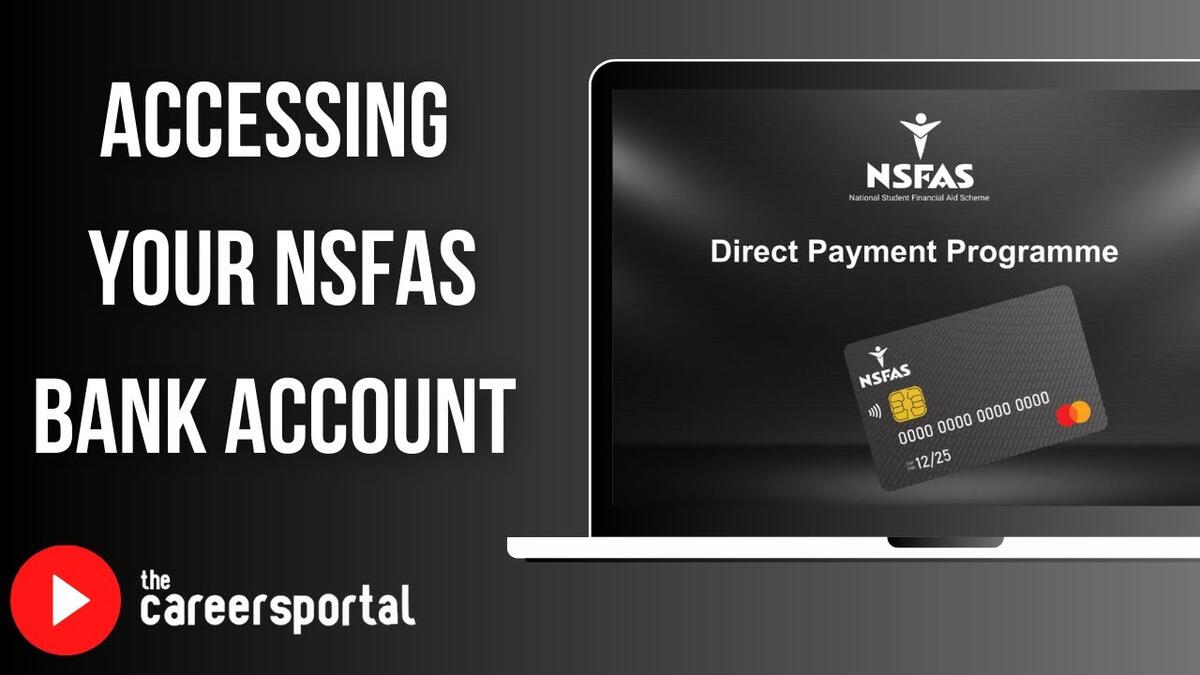
Students at the Tshwane University of Technology (TUT) have begun protesting regarding the new direct payment system implemented by the National Student Financial Aid Scheme (NSFAS).
Student protests, explained
Students began protesting last week, over a NSFAS decision they label as "rushed' and "full of glitches and delays". The protests have escalated, with students demanding that a representative of the Department of Higher Education and Training (DHET), preferably Minister Blade Nzimande, make an appearance and address them.
One particular grievance is that of the bursary scheme wrongfully defunding many eligible students, leaving them immediately stranded.
The protests have been increasing in intensity over the past two or three weeks, and have now reached its peak, with over a thousand students gathered outside the DHET's headquarters.
Before, it appears an agreement was reached between the universities and NSFAS, who stated they would be investigating the matter of students not receiving their allowances. However, that agreement seems to have dissolved.
Law enforcement has been situated at protest sites in attempt to regulate the action.
What is the new direct payment system?
The National Student Financial Aid Scheme (NSFAS), announced earlier this year its plans to introduce a new Mastercard for bursary recipients, explaining that this is part of its digital transformation efforts.
These new NSFAS Mastercards and bank accounts are to ensure that beneficiaries have more control of their funds. Minister of Higher Education, Blade Nzimande, said:
To correct issues with the payment of allowances, the Scheme sought an alternative, secure and student-centred approach, which will see students receiving their allowances through a bank card.
NSFAS has previously confirmed that students will start directly receiving their allowance in June. Students with disabilities will still be paid through institutions.
NSFAS made the first payment of allowances through the #NSFASBankAccount on Friday, 30 June 2023.
The scheme has stated that:
This payment of allowances will be for all students that have their registration data successfully linked and have registered for an account. Students who have not onboarded, we encourage you to do so urgently for NSFAS to pay your allowances.
The NSFAS bank account was introduced in collaboration with third-party financial service providers, namely eZaga, Coinvest, Morocco and Tenet Technology. NSFAS has called on its funded students to register or onboard each of the above-mention FSPs.
Previously, NSFAS allowances were paid to institutions attended by NSFAS-funded students. The institutions would then disburse the NSFAS allowances to students or use service providers to disburse allowances to students.
NSFAS-funded university students were required to register with the services provided to begin receiving their allowances directly from June 2023. Less than two months have passed since university students began using the NSFAS bank account and several challenges have been raised by stakeholders.
However, despite NSFAS' success in depositing allowances using the new system this past June, not all feedback has been positive.
Student and Stakeholders Complaints
Since its implementation there have already been a number of complaints about the system, including students not receiving their funds, exorbitant bank charges, glitches, and unauthorised access resulting in loss of funds.
Some students have expressed frustration, noting that the onboarding process has been everything but ‘seamless’, with some questioning communication around the new system and why it was introduced at universities in the middle of the academic year.
Additionally, there have been suspicions surrounding the third-party financial service providers recruited for the new payment system, which has prompted an investigation by the South African Public Protector.
This comes after Stellenbosch SRC Vice Chairperson, William Sezoe, lodged a complaint asking the public protector to look into the awarding of the contract for the new NSFAS direct payment system.
Sezoe explains:
I have last week written to the public protector to investigate the National Student Financial Aid Scheme direct payment system and in particular the involvement of the CEO of NSFAS with the awarding of the specific tender.
Sezoe says that in his complaint,
According to investigation findings by the Organisation Undoing Tax Abuse (Outa), all four service providers NSFAS partners with are young and unexperienced companies. Outa further revealed that the companies were also not registered as Financial Service Providers at the Financial Sector Conduct Authority (FSCA).
The investigation also found that NSFAS CEO, Andile Nongogo had an alleged “business relationship” with the directors of one of the service providers – Coinvest.
Sezoe noted:
It must be investigated whether Nongogo as the CEO of NSFAS declared his relationship with the directors of Coinvest in particular and whether his relationship with the directors could had an influence in the successful awarding of the tender.
Concerns were highlighted around three critical issues:
- The involvement of NSFAS CEO, Andile Nongogo in the tender awarding process, considering his relationship with the directors of Coinvest, raises legitimate doubts about the fairness and impartiality of the selection procedure.
- The decision to award tenders to companies lacking financial licenses warrants clarification from NSFAS, as this poses serious doubts about their ability to handle students’ funds responsibly; and
- The justifiability of appointing companies charging exorbitant fees to students requires scrutiny, as it affects public funds, especially those allocated for education.
Sezoe adds, “It is unjustifiable that students have to cut their allowances to access them and be able to live in a country where the cost of living is already high.”
It is unacceptable that NSFAS is charging students they ought to serve. It is unacceptable, hence we will await the outcome of the investigation and the public protector must make sure education funds are protected.
Many have welcomed the public protectors decision to investigate the direct payment system and have noted that should they find evidence of tender fraud, swift and decisive consequence management is expected.
Calls For Minister To Account On NSFAS Bank Account Challenges
South Africa’s Official Opposition Party the Democratic Alliance (DA) has written to the Minister of Higher Education, Dr Blade Nzimande, and to the Banking Association of South Africa (BASA) to seek clarity on the NSFAS direct payment challenges.
The party wants Nzimande to account and prove that students will benefit more from the services provided by NSFAS to distribute student allowances.
Students and universities were kept in the dark about the direct payment system and its cost implications. On top of that, NSFAS beneficiaries are also still waiting on their allowances while service fees have already been deducted.
The Democratic Alliance (DA) is seeking clarity on the application requirements for financial institutions to offer direct allowance payment services, why the service providers selected by NSFAS were preferred above established banks and whether their service and transaction costs will benefit students.
Challenges with NSFAS are not the first time student protests have erupted
It is not uncommon for problems to arise within the National Student Financial Aid Scheme, as the organisation and students consistently have bumps in the road.
Challenge after challenge has left students feeling like they can no longer rely on the bursary scheme they so desperately have to depend on for their tertiary education.
The 2023 academic year has particularly brought about a lot of challenges for NSFAS-funded students. From lengthy delays in the processing of NSFAS applications, to a severe student accommodation crisis, students have had no reprieve.