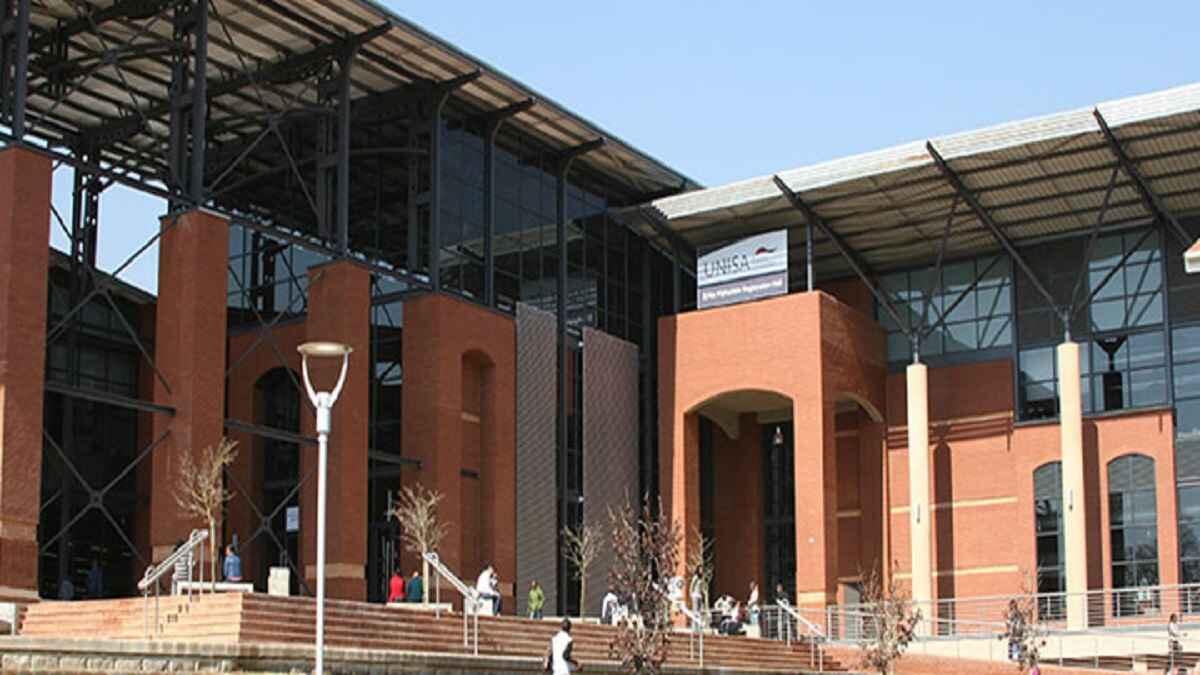
Some have called for the University of South Africa (Unisa) to be placed under administration, due to the discovery of strange funds allocations.
Professor Themba Mosia, an independent assessor appointed by the Minister of Higher Education, Blade Nzimande, brought forward a 308-page report highlighting and detailing what some of Unisa's funds are being spent on.
The report details a range of problems around the state of governance, performance of management, financial management grades to the VC's residence, claims of intimidation and bullying, with the institutions council reportedly being divided on VC Puleng LenkaBula's suspension.
The report revealed that significant sums of money are, in fact, not being allocated for student needs, but instead for allegedly maintaining the VC's home.
The report has not yet been published, but it found that R200,000 was allegedly spent on "sheer curtains for the official residence of the Vice Chancellor, Professor Puleng LenkaBula", and that R8,000 was spent on "vacuuming lessons for a house that only has carpets on its stairs".
Mosia said:
It therefore raises questions as to why the university would spend so much money on training for an appliance that can only be used on the staircase.
Urgent action is being called for from all sides, with criticism of Higher Education Minister Blade Nzimande for not acting quickly enough.
Nzimande is currently considering whether or not to indeed place Unisa under investigation, in light of this report; Mosia made 26 recommendations, which included that Unisa be placed under full administration and the council and management be relieved of their duties.
Prof. Barney Pityana, former VC of the institution, has also weighed in on the conversation.
We saw this coming over some time, and really, the report by Professor Mosia cannot be disputed. It is well put together and very highly researched, very faithful to the sources that he has accessed and it paints a bleak picture of this university.
The institution's council is also facing scrutiny alongside LenkaBula, which Pityana says is where the real failure lies.
Unisa has been captured at the level of council, and out of that level of council capture, the entire institution has been hollowed out. And that is exactly what has happened.
Pityana says the current council of Unisa "no longer serves any fiduciary function to the students and others who have an interest in the university, and the people of South Africa in general."
Instances such as this one are, unfortunately, regular occurrences within South Africa's Higher Education sector.
Dr. Sean Muller, Senior Research Fellow at the University of Johannesburg's (UJ's) Institute for Advanced Study, says that corruption within higher education has a "ripple effect", particularly in areas where academics become senior academics in fraudulent ways, who then go on to supervise and teach PhD students, advise policy-makers and train new academics.
If you've got people who are basically frauds in these senior academic positions, it has a ripple effect on broader society, beyond these narrow (but important) issues of financial mismanagement and violating institutional procedure.
Muller adds that with a few of the country's tertiary institutions, the problem is that they are able to "fly under the radar", which allows for the avoidance of accountability.
LenkaBula and Unisa's Council members have denied certain facts of this probe, with Mosia adding that he is under the impression that both parties were hoping the matter would "simply disappear."
I have observed a pattern of denial and ignorance from the Unisa council and management, even in situations where indefensible facts were presented to them. The denial of the persisting problems only serves to continue to ruin the good name and reputation of the university.
Pityana says the first thing the Minister of Higher Education should do is dismiss the council and set up an administrator.