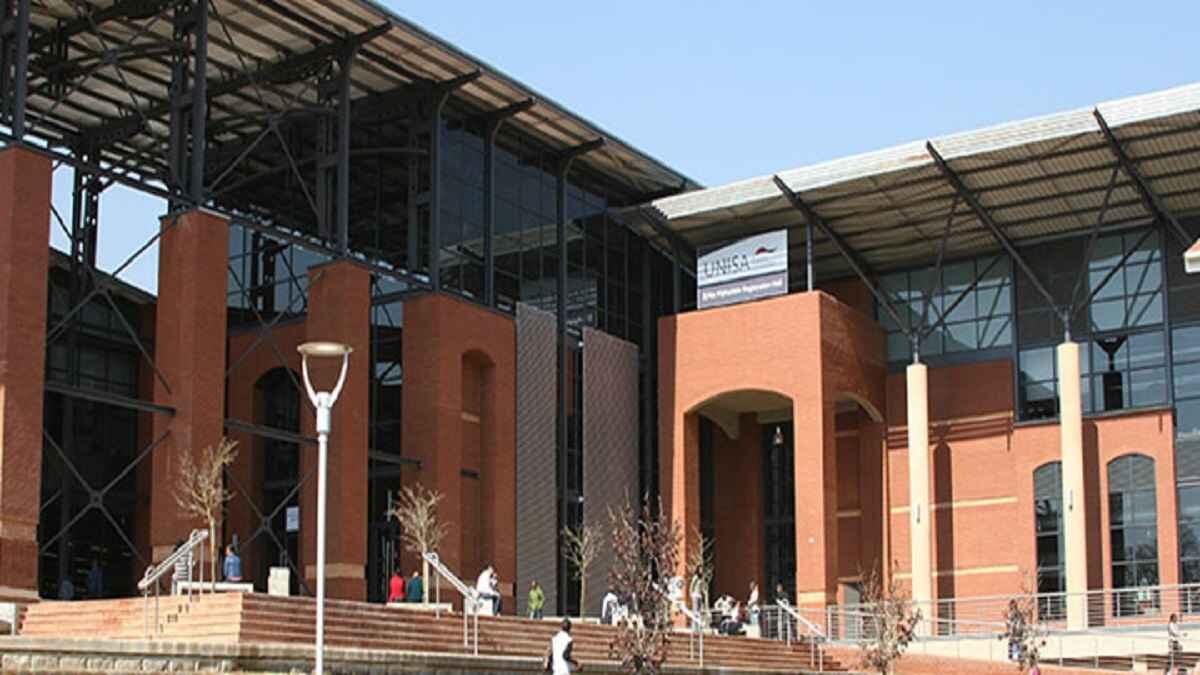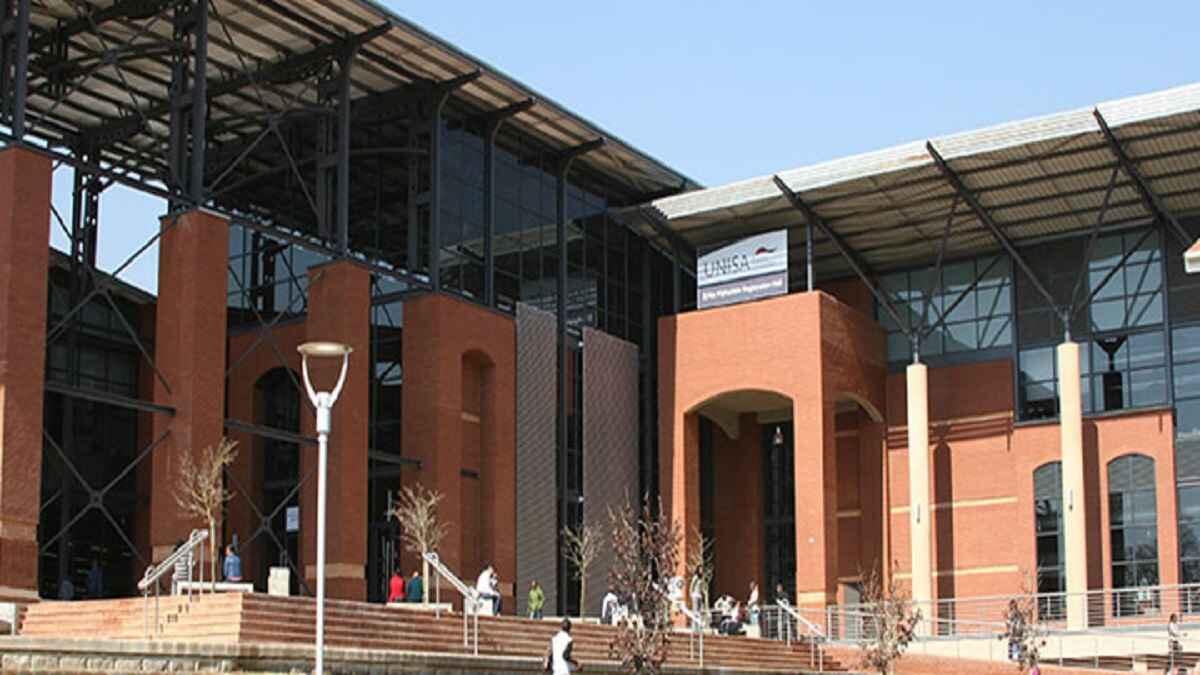
An investigative report on the University of South Africa (Unisa) was handed over to the Minister of Higher Education, Dr Blade Nzimande, and advised that he dismiss the council and management of the institution and that it be placed under administration. The Minister has yet to come to a decision.
The 309-page report, which was written up by Professor Themba Mosia, found a number of maladministration and mismanagement issues at the University. Among these issues was financial mismanagement, allegations of bullying and intimidation, exorbitant amounts of money spent on upgrading the vice-chancellor’s home and academic malpractices.
Unisa’s Vice-Chancellor, Professor Puleng LenkaBula, took over leadership of the institution in 2021, although these structural issues originated during the previous Vice-Chancellor, Professor Mandla Makhanya’s, leadership. In the report, Mosia found that since LenkaBula’s governance, improvements at the university have yet to occur.
It is obvious that the Vice-Chancellor is not the only one to be implicated in this report, as several staff members were irregularly appointed, as well as receiving massive salary increases.
The findings of the report have indicated that since 2016, the management and administration of Unisa have continued on a downward spiral, and this is not the first time students have pleaded with the Minister to take their concerns seriously.
Just last year, students revealed that they were concerned about the possible issues of mismanagement and the bad publicity the University was receiving.
The National Education, Health and Allied Workers’ Union (NEHAWU) has called for Minister Nzimande to fully implement the recommendations of the report and put an administrator in place at Unisa.
Dr. Sean Muller, Senior Research Fellow at the Johannesburg Institute for Advanced Study University of Johannesburg, gave some insight into the possible causes of these issues at several of the country’s higher education institutions.
Muller reveals that a number of senior academics are frauds, and these are the same people that supervise PhD students and make important decisions at institutions. This then has a “ripple effect” where there are several high-profile academics involved in the running and management of an institution. When there are multiple corrupt members in council and management, it becomes more difficult to control.
Two Unisa council members have reportedly tendered their resignations amidst this ongoing investigation.
Unisa is expected to make a statement later this week regarding the findings and recommendations of the report.
The Minister is yet to make a decision regarding the management of the country’s largest open distance learning institution. Additionally, this investigative report is yet to be published in the Government Gazette, but has been circulating amongst senior academics at a number of tertiary institutions.