Misheck Mugabe, the Secretary General of the Walter Sisulu University Alumni and Convocation says high student debt in the country has long-term effects on indebted students. The prospect of clearing this debt could have many positive outcomes for students.
They explained that student debt primarily affects graduates who are unable to obtain their certificates due to outstanding debt. This inability to present qualifications to potential employers can prevent students from securing employment.
You will not be able to compete in the labour market because you don't have qualifications to show even though you're a graduate because the university will withhold your qualification
Mugabe emphasised the need for a multi-stakeholder approach as they believe more could be done to tackle the national student debt if all university convocations worked together with the private sector.
“The student debt at a national level stands at a staggering 16 billion rand,” Mugabe stated, underscoring the magnitude of the issue.
A dialogue facilitated by WSU in May brought together stakeholders from different universities to discuss the crisis of student debt in the country.
The dialogue was very successful I tell you the reason why I'm saying it was very successful because we needed to put convocations of various universities together under one roof and say let's have a conversation about this matter and what is the real problem
A significant point of contention was the role of the private sector in funding education. Mugabe criticised the lack of involvement from profitable private entities in corporate social responsibility initiatives aimed at alleviating student debt.
They [the private sector] make huge profits but some of them don't play a role in terms of corporate social responsibility so those are some of the issues that came from the dialogue.
Economic factors contributing to rising student debt were also discussed. Mugabe identified exorbitant costs of private student accommodation as a primary cause, with students paying up to R5,000 per month.
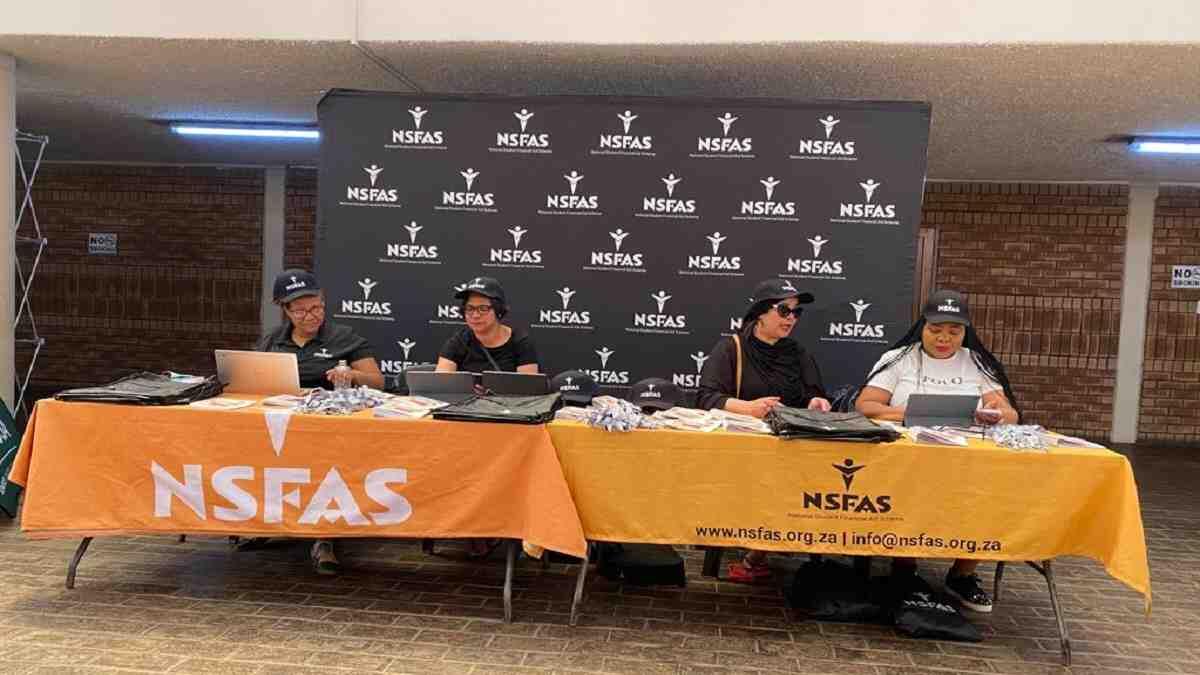
However, Mugabe hailed the National Student Financial Aid Scheme (NSFAS) role in reducing the debt burden for post-2018 students when they began offering bursaries instead of students.
The dialogue also spotlighted successful interventions, such as the Eastern Cape Premier's R20 million rand contribution towards Walter Sisulu University’s debt fund. This initiative has enabled over 2,000 students to obtain their certificates, demonstrating the positive impact of targeted financial support.
In exploring immediate solutions, Mugabe proposed several strategies including encouraging alumni and private donations to create a substantial fund to alleviate student debt.
They also called for increasing the involvement of private companies in funding educational initiatives through corporate social responsibility programmes as well as mobilising university convocations to petition the government for debt relief, allowing graduates to start afresh without financial burdens.
Furthermore, Mugabe suggested the establishment of a national structure for university convocations to better organise and elevate discussions on student debt.
The prospect of writing off student debt was also discussed as a crucial solution to enable graduates to enter the labour market and contribute to the economy.
Mugabe argued that government intervention that could cost R16 billion could provide substantial relief to universities, facilitating the issuance of withheld certificates and improving graduates' employment prospects.
Writing off student debt is the best solution because it opens up opportunities for graduates to participate in the labour market, change their livelihoods, and potentially uplift others in similar situations.