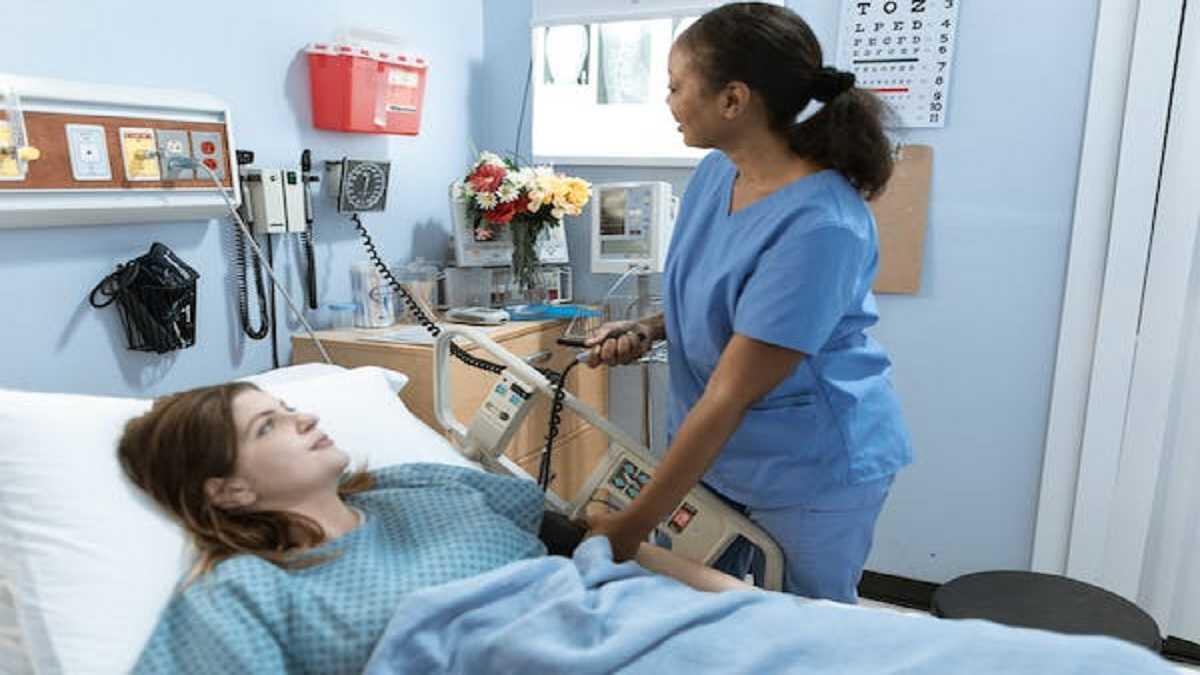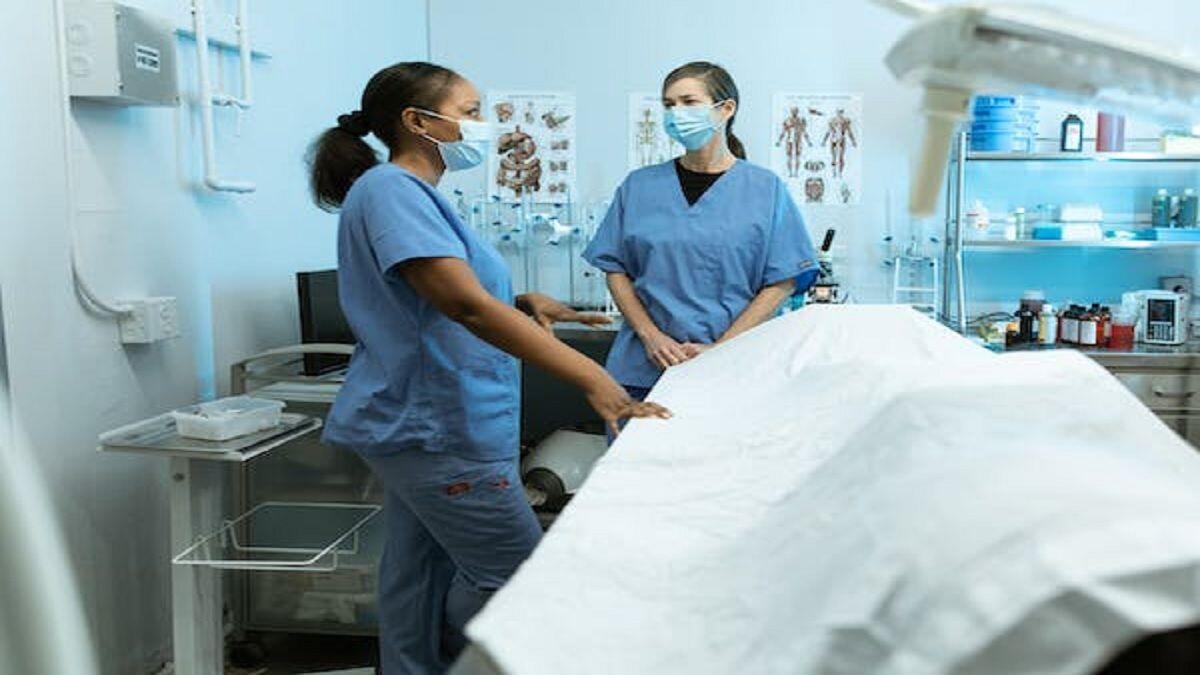
A group of final year students from the Gauteng College of Nursing R. 171 programme who are about to end their academic tenure have raised concerns saying they are now in limbo as the department claims they do not have funds to place them for community service and absorb them for employment.
These nursing students were given bursaries by the Gauteng department of health (GDoH) and began their studies in 2020. They were the first group in the three-year nursing programme after it was introduced in 2020.
The students say they had a series of meetings with the department wherein they were promised employment contracts once they complete their studies.
Mpho Rantsu spokesperson for the students, says they feel misled and let down by the department as they were assured placement for employment on course completion.
She added, “Upon the commencement of the course we were promised a lot of things and not the department is singing a different tune, and no one is willing to hear us out.”
With the unemployment rate at a peak, why would government waste funds to train professional nurses, only for them to contribute to the already high unemployment rate? Our nurses are overwhelmed due to staff shortages, and they need all the help they can get.
The nursing college campuses affected are Ann Latsky, Bonalesedi, Baragwanath and SG Lourens.
The students were set to meet the department on Tuesday (23 May) and have threatened to shut down all four campuses if they do not get a favourable response.
Shortage of Nurses
South Africa's largest private healthcare network, Netcare has reported that the country has an estimated shortage of between 26,000 and 62,000 nurses, and a large number are expected to retire by 2030.
Netcare stressed that the country is facing a critical shortage of nurses and claims that the crisis is partly to blame on government's restrictions on private-sector nursing training.
Gauteng Chairperson of the Allied Workers Indaba Trade Union Bafana Tshabalala says the country is not training enough nurses.
He notes that even the nurses that are still in training would not make up for the shortage the country is experiencing.
Government officials should not hinder upon people's basic rights to heath because if we [government] are saying we are not going to appoint more nurses into the system meaning we are exacerbating the problem of the gross shortage that we currently have.
He continues, “We really need the department to employ every nurse that is available, because if Netcare that is a private sector is failing to close the gap it tells you just how severe the situation is.”
Netcare previously trained over 3,000 nurses annually, but it's now restricted to a fraction of that number.