The missing middle conundrum continues to impact thousands of individuals wanting to obtain a tertiary education qualification in South Africa. Students who fall within this category could soon receive critical funding from the South African government.
UPDATE 14/01/2024 Government Launches Funding Scheme For Missing Middle Students
Missing middle students come from homes that afford to send them to a tertiary education institution. However, they also do meet the financial requirements to be funded by the National Student Financial Aid Scheme (NSFAS).
They are essentially too rich for the government bursary but are too poor to cover the high costs associated with tertiary education. This puts them in a difficult situation where they may have to become indebted to a financial institution to pay for their studies.
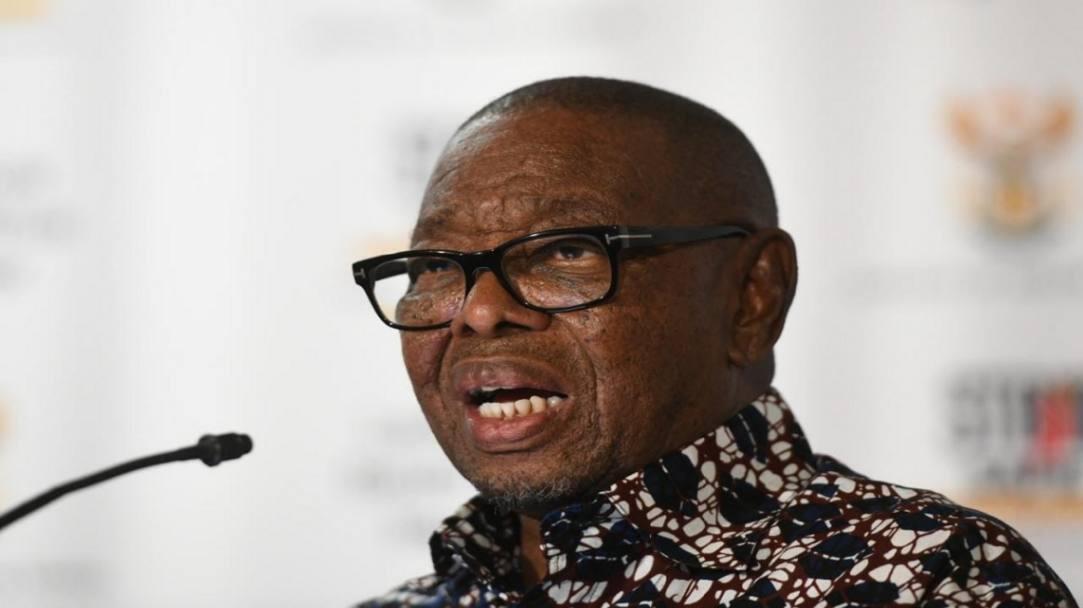
Higher education minister Blade Nzimande revealed that almost R4 billion has been secured to tackle the challenges faced by missing middle students. The minister appeared before Parliament’s Portfolio Committee on Higher Education to discuss the sector’s readiness for the 2024 academic year.
Nzimande revealed that R3.8 billion has been raised which they believe will go a long way in assisting the missing middle.
We have raised R3.8 billion and our figures actually tell us that money will go a long way in addressing the missing middle in terms of the latest actuarial statistics that we have if we are calculating that the family is not earning more than R600,000 per annum.
The minister mentions R600,000 for a very specific reason. It is concluded that individuals whose income is above R600,000 will be able to cover the costs associated with higher education.
To qualify for NSFAS funding, students may not come from a household that exceeds R350,000 per annum making R350,001 the mean of the missing middle bracket. The mode of the missing middle bracket is R600,000.
NSFAS Challenges
Minister Nzimande told parliament that plans are in place to ensure a smooth start to the 2024 academic year. This comes after several years of disruptions at the beginning of academic years due to funding-related challenges.
The minister said their department has identified which issues occur at which institutions. This allows them to put plans in place to ensure these challenges are not repeated during the first few months of 2024.
As a department, we identified all the hotspots we have identified all the hot spots often associated with certain institutions and certain problems where issues have not been adequately addressed
Challenges faced by students include accommodation accreditation, delayed funding decisions and exchange of registration dates between institutions and NSFAS.
so that we [higher education Department] are able to be better prepared on accommodation accreditation funding decisions [and] exchange of registration data amongst others
RELATED ARTICLE: What Are Requirements To Access Student Loans From Government Scheme