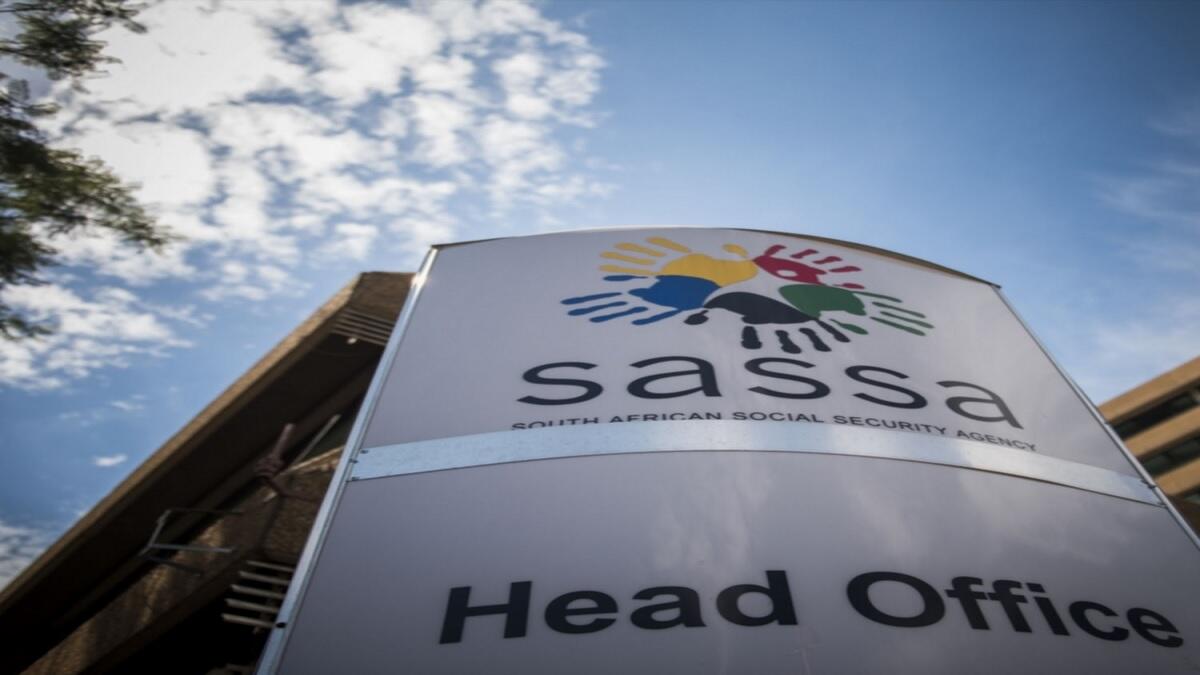
The South African Social Security Agency (Sassa) introduced the Covid-19 Social Relief of Distress (SRD) grant to help unemployed individuals over the age of 18 years old, who were in desperate need of financial assistance. The grant was implemented during the peak of the Covid-19 pandemic, as individuals were not able to find work during that time.
Unemployed individuals who meet the criteria of the grant are welcome to apply. The following people are eligible for the Covid-19 grant:
- Needs to have an income of R624 or less per month.
- Be a South African citizen, permanent resident, refugee, a holder of a special permit under the Special Angolan Dispensation, the Lesotho Exemption Permit Dispensation; Zimbabwe Exemption Permit Dispensation; or an Asylum seeker with a valid section 22 permit or visa.
- Between the ages of 18 and 59 years old.
- Live within the borders of South Africa.
- Be registered on the Home Affairs database or Sassa's social grant database for individuals without ID documents.
- Not living in a government institution or subsidised institution.
- Not receiving Unemployment Insurance Fund (UIF) Benefits or National Student Financial Aid Scheme (Nsfas) support or any other social grants distributed by Sassa.
Those who receive a declined or rejected application status may appeal the decision. They may submit an appeal for every month that they were rejected.
Since Sassa re-evaluates and pays the SRD grant on a monthly basis, to ensure that the beneficiary still qualifies for the grant, an appeal will need to be made in relation to each month where the application was unsuccessful.
Due to the extension of the SRD grant by President Cyril Ramaphosa for the period of 1 April 2022 to 31 March 2023, the Minister of Social Development has selected persons as members of civil society of the Independent Tribunal for Social Assistance Appeals to consider and decide on appeals relating to the SRD grant.
The Independent Tribunal is responsible for considering appeals in terms of section 18 of the Social Assistance Act, 2004 read together with the Covid-19 SRD Regulations. The appeal will also be considered against the qualifying criteria stated in the Covid-19 SRD Regulations.
Using the information at its disposal, the Independent Tribunal will reassess the decision of Sassa. The members will attempt to finalise the appeal within 60 to 90 days from the date on which the appeal was received.
The decision made by the members of the Independent Tribunal will correspond to the specific month the appeal relates. Appellants are advised to lodge an appeal as soon as they receive a declined application status.
When the appeal is being considered it will be checked and revalidated by the various databases used by Sassa that may have indicated an income or alternative financial assistance. Once a decision has been made the appellant will be informed electronically about the outcome of the appeal and the reasons thereof.
You can also read this article on how to make a grant appeal to Sassa.
When you want to check your appeal status we are here to help you with a comprehensive guide to the Sassa appeal process.
There is also a video with details on the Sassa appeal process.
Once you have submitted your appeal to Sassa you need to make sure that you check on the status of your appeal.