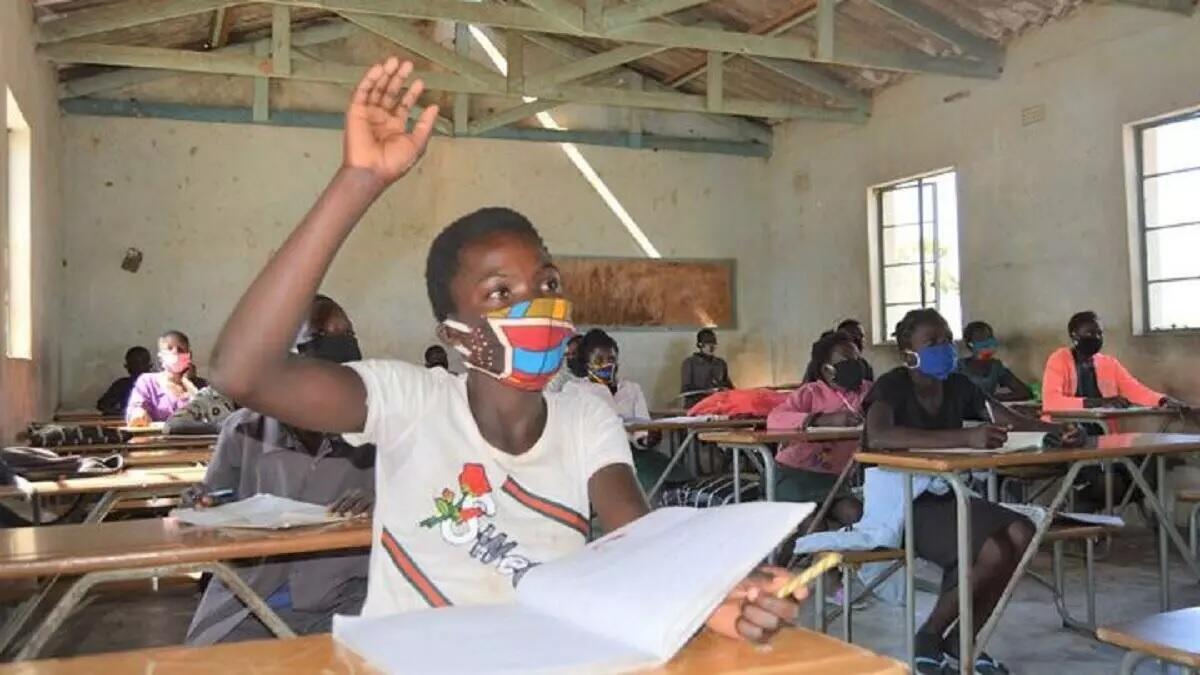
In December 2021, lobby group, Equal Education (EE) had launched the #NoSpaceForUs Campaign which entailed a report on how Gauteng schools are overcrowded. This report was based on research that was conducted between September 2019 and June 2020.
It had been found that seven out of the nine schools had at least 15% more learners than the building was designed to hold.
The Department of Basic Education (DBE) decided to deal with the problems of overcrowding in schools after the Covid-19 disruptions, as overcrowding posed a threat to the education sector.
DBE Minister, Angie Motshekga, said:
We are requesting the National Treasury to allocate a budget for the department to deal with this special project, in terms of which Basic Education would deal with overcrowding in schools.
This budget will be used to deal with the much needed school maintenance, construction of more school buildings, and so forth.
In a parliamentary meeting, it was highlighted that overcrowding does not only have negative implications on one's health, but is also detrimental to the teaching and learning processes in the classroom.
Whilst the performance of the Khudugane Secondary School in Limpopo has declined, the school’s class of 2021 was 55%, having dropped from 81% when compared to the previous year.
A member of the School Governing Body (SGB), Navela Ngobeni shared that one block of the school had been built by the community and the other by the government. Ngobeni also hoped that ways to source funds for the infrastructure would be found.