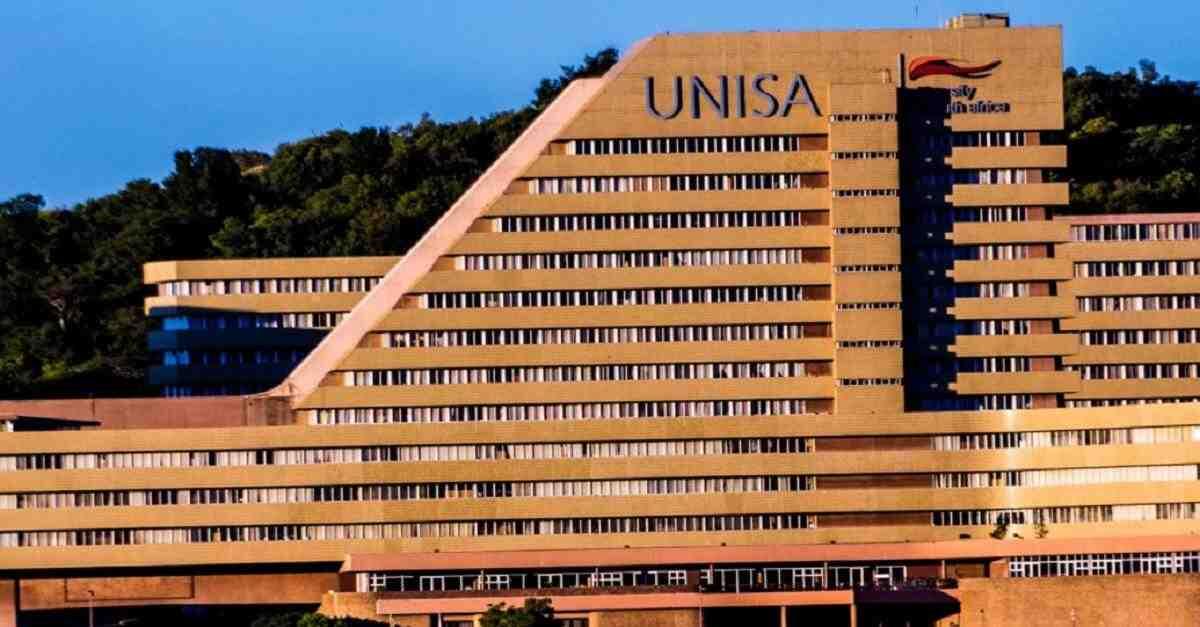
The University of South Africa (Unisa) has announced its 2025 NSFAS allowance plans. This includes details on how NSFAS allowances will be disbursed to eligible students and the steps they must take to ensure timely payments.
Unisa will distribute allowance payments to all NSFAS-funded students for the first six months of 2025. The timing of these payments depends on Unisa’s registration closing dates.
NSFAS has granted Unisa an extension to disburse allowances for the first six months of 2025. The release date of the allowance is dependent on the official closing date of the registration period.
Which Allowances Do Unisa Students Receive?
Distance learning students receive NSFAS allowances based on their specific needs.
- Students studying fewer than 60 course credits towards their qualification qualify only for the learning materials allowance.
- Students enrolled in a full-time equivalent course credit load qualify for both the learning materials allowance and the personal care allowance per academic year.
Allowances for students in distance education programmes are calculated based on the number of courses registered.
NSFAS-funded Unisa students will only receive a learning materials allowance, which is used to purchase educational resources, and an incidental allowance, which provides financial support for living expenses.
The NSFAS incidental allowance is only paid to Unisa students registered for 10 modules.
How Unisa NSFAS Allowance Payments Will Be Made
Unisa has confirmed that NSFAS allowances will be disbursed via Electronic Funds Transfer (EFT) directly into students’ bank accounts. This is the standard payment method for all university students receiving NSFAS funding.
NSFAS allowances are paid by the institution via EFT into the student’s bank account.
How To Capture Bank Details for NSFAS Allowance Payments
- Access the platform by following the link sent to your myLife e-mail account.
- Enter your banking information.
- Await the completion of the verification process by the bank.
Unisa reminded students that allowances must be paid into bank accounts registered in their name. This is because the bank account details will be verified against the student’s Unisa ID number.
No third-party banking details will be accepted.
Unisa urged students to monitor their bank verification status to prevent delays in allowance payments.
We urge you to actively monitor the status of your submission. This will reduce delays in the disbursement of allowances, which may occur because of failed banking detail verifications.
What Your Unisa Bank Verification Status Means
The Unisa bank details platform uses different abbreviations to indicate the various stages of the verification process. These statuses guide students on the next steps they need to take to receive their allowances:
- SM (Submitted but not verified): Banking details received but not yet verified.
- VI (Verified): Banking details successfully verified.
- RJ (Rejected): Verification failed. Resubmit correct banking details linked to your ID.
- UP (Updated by student): New banking details submitted, requiring re-verification.
It is important to note that NSFAS does not cover historical debt.