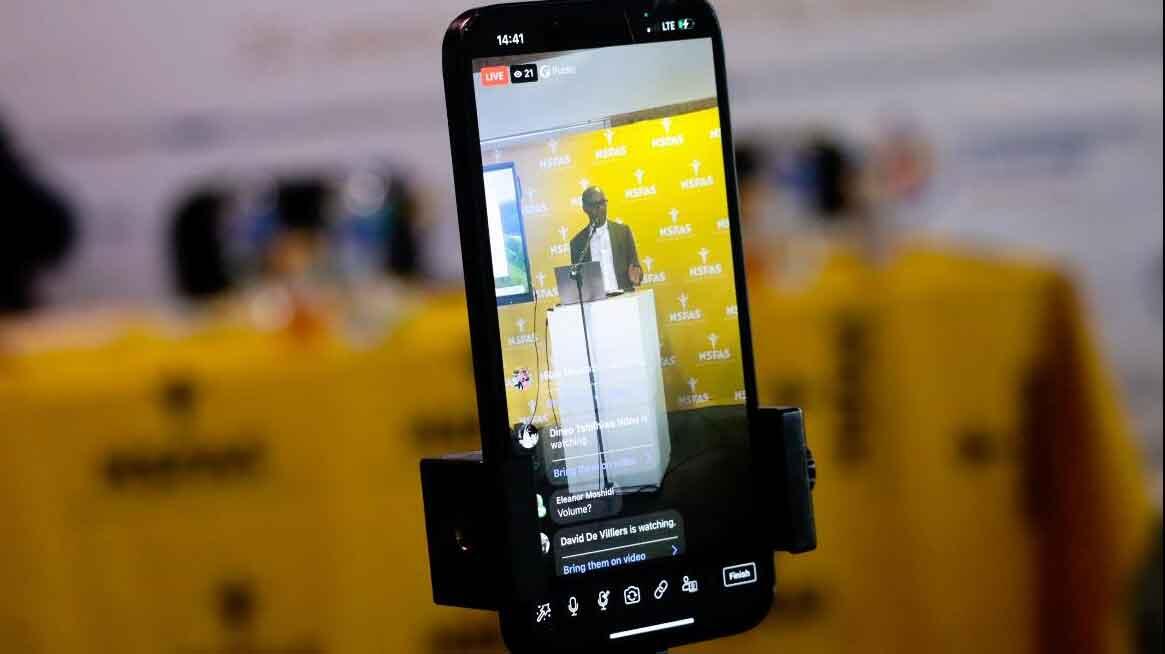
Public Protector Kholeka Gcaleka has identified student accommodation as an area requiring urgent intervention following an investigation into alleged maladministration at the National Student Financial Aid Scheme (NSFAS). She announced this at a media briefing with an update on the investigation they have been running.
It was not good news for NSFAS management, or Minister Buti Manmela, as Gcaleka said concerns about systemic deficiencies in the administration, governance, funding, coordination and oversight of student financial aid were “substantiated”.
NSFAS Student Accommodation Under Scrutiny
Gcaleka identified several systemic problems relating to student accommodation, including delays in the payment of accommodation allowances.
The investigation also found weaknesses in the accreditation and verification of private student accommodation. These shortcomings create risks of fraud and exploitation while contributing to housing instability among students.
Following on-site inspections conducted at selected higher education institutions, Gcaleka said her office has resolved to launch a separate own-initiative systemic investigation into student accommodation.
Gcaleka called on the government to deal with the challenges surrounding NSFAS-funded student accommodation without waiting for the outcome of the subsequent investigation.
University SRCs from many campuses across the country have been campaigning against the NSFAS accommodation policy. However their focus was more on the cap that limits how much students will be paid for their student accommodation.
NSFAS Funding Problems Affect Students
The Public Protector's investigation into NSFAS was initiated after complaints were received about alleged administrative deficiencies affecting students' access to financial aid and, consequently, their ability to access higher education.
During the investigation, Gcaleka said her office became aware of broader systemic challenges affecting South Africa's higher education sector.
These challenges include inadequate access to tuition funding for students who require financial assistance, inefficiencies within existing funding mechanisms, student accommodation problems, funding criteria and delays in the disbursement of allowances.
The investigation also highlighted concerns about delays in funding confirmations, allowance payments and the processing of appeals.
Students have also reportedly experienced delays in the settlement of tuition accounts, which in some cases resulted in qualifications being withheld.
40,000 Students Were Improperly Funded
While student leaders have been campaigning for student payments to be increased, and NSFAS leaders have raised concerns about the funds they have available, the Public Protector identified another problem.
NSFAS funds were dispersed to 40,000 students who didn't actually qualify for funding. This occurs when the students' family income is higher than the R350,000 household income threshold.
This improper funding amounted to R5,1billion but the Protector said that R2b of this has since been recovered.
Higher Education and Training Minister Buti Manemela recently announced that the fund is facing a R15 billion shortfall in funding.
NSFAS Governance and Administration Concerns
Gcaleka said information gathered during the preliminary phase of the investigation pointed to persistent governance instability, administrative weaknesses and inadequate systems at NSFAS.
She noted that NSFAS has been placed under administration three times in the past eight years.
“These deficiencies have impaired its ability to discharge its statutory mandate effectively, efficiently and in a manner consistent with the standards expected of a public entity entrusted with public funds and vulnerable beneficiaries,” she said.
The Public Protector said evidence gathered during the investigation showed that students experienced recurring delays in receiving funding decisions, appeal outcomes and allowances.
Students Face Food and Accommodation Insecurity
According to Gcaleka, the delays have had serious consequences for students who depend on NSFAS funding to remain in higher education.
“These delays caused direct and foreseeable prejudice, including food insecurity, accommodation instability and exposure to unsafe living conditions. Such outcomes demonstrate that Nsfas’ failures were not merely technical or internal, but materially affected students’ dignity, welfare and ability to participate in higher education.”
The findings highlight the impact that delays and administrative problems within NSFAS can have on students' ability to study and complete their qualifications.
The Public Protector's decision to investigate student accommodation separately is expected to place further focus on the systems used to fund, accredit and monitor accommodation for students receiving financial aid.