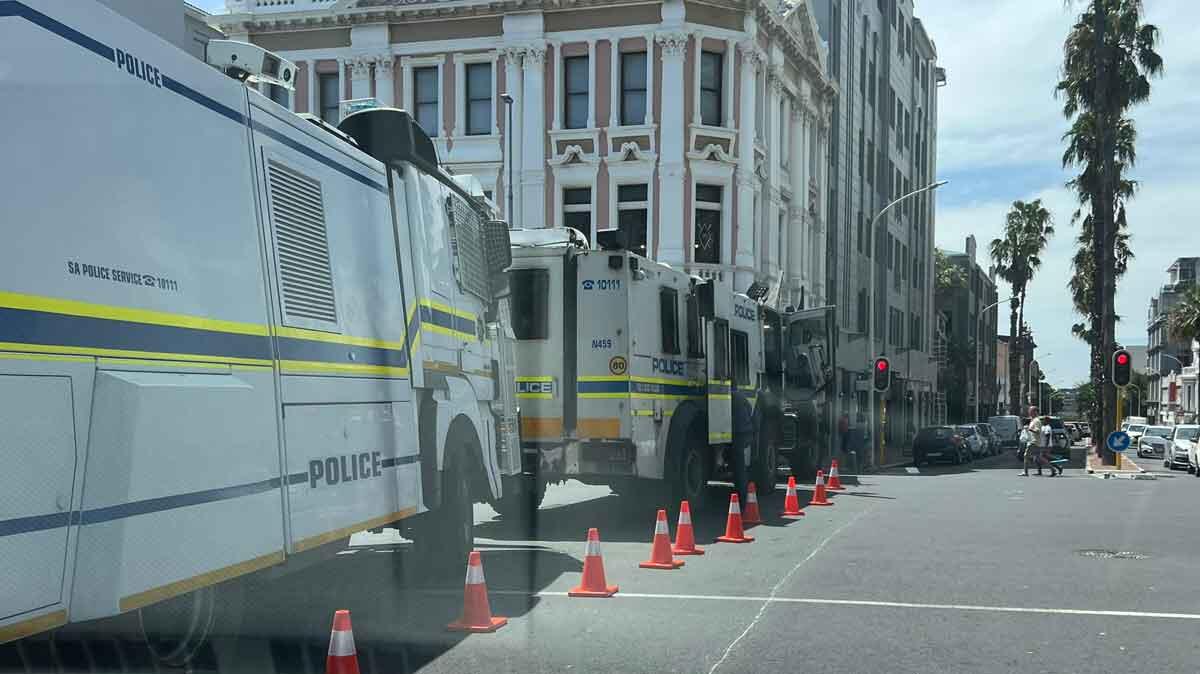
Government has confirmed that 30 June 2026 will be a normal working day in South Africa and has warned that any attempts to intimidate, threaten or disrupt the public will be dealt with under the law.
The Inter-Ministerial Committee (IMC) on Migration made the announcement during a media briefing in Pretoria on Friday, following its weekly meeting on government’s response to irregular migration.
“Enforcement of the law is the responsibility of the State. Thus, we are ready as a State to protect every person, citizens and foreign nationals, against any form of abuse and intimidation. We therefore declare that the 30th of June 2026 as a normal day for the country," Minister of Justice and Constitutional Development Mmamaloko Kubayi said.
The IMC said no unauthorised person may demand documentation or proof of nationality from members of the public. It also warned that blocking access to schools, hospitals, clinics or other public services is unlawful.
Kubayi said violence, intimidation, vigilantism, xenophobia, hate speech and the spread of misinformation, including fake news on social media, will be prosecuted.
The statements are in response to fake stories spreading online that claim individuals who take foreign nationals to a police station will be paid R250. This is just one of a number of fake news stories spreading.
She said law enforcement agencies have intensified intelligence-led operations across the country in response to growing public tensions. By 21 June, 89 public order and incitement-related incidents had been opened as criminal cases, up from 53 the previous week.
A total of 164 people have been arrested for offences including incitement to violence and breaches of the Regulation of Gatherings Act, while 36 cases are already before the courts.
The South African Police Service also arrested more than 5 000 people for immigration-related offences during Operation Shanela in the week ending 15 June.
The Minister condemned recent anti-immigration protests accompanied by looting in parts of the Free State, saying vigilantism and attacks targeting people because of their nationality are criminal acts.
Government has also engaged social media platforms over content linked to the 30 June date, after some users circulated manipulated videos and images allegedly meant to incite violence and damage South Africa’s international reputation.
Kubayi said the Constitution protects freedom of expression and peaceful assembly, but those rights do not extend to incitement of violence or the promotion of hatred.
The IMC urged South Africans not to allow genuine concerns about illegal migration to be exploited by people seeking to cause violence or destabilise the country.
“We repeat that the 30th of June 2026 will be a normal day for the country, economic and social activities will not be disrupted,” said Kubayi.