Over recent years, there has been a notable increase in the use of Artificial Intelligence (AI) across the world. On the one hand, it has contributed to making many people’s lives much easier, given its vast capabilities. On the other hand, AI has begun to also reveal some troubling effects on people’s job security.
In a recently published press release titled 'From the sage on the stage to the guide on the side', The Management College of Southern Africa (MANCOSA) considers where Higher Education stands within a world where the use of AI is growing increasingly.
On the heels of this press release by the college, Duncan Park, Associate Director of Assessment at MANCOSA spoke to Careers Portal about some of the good and the bad that AI has to offer Higher Education.
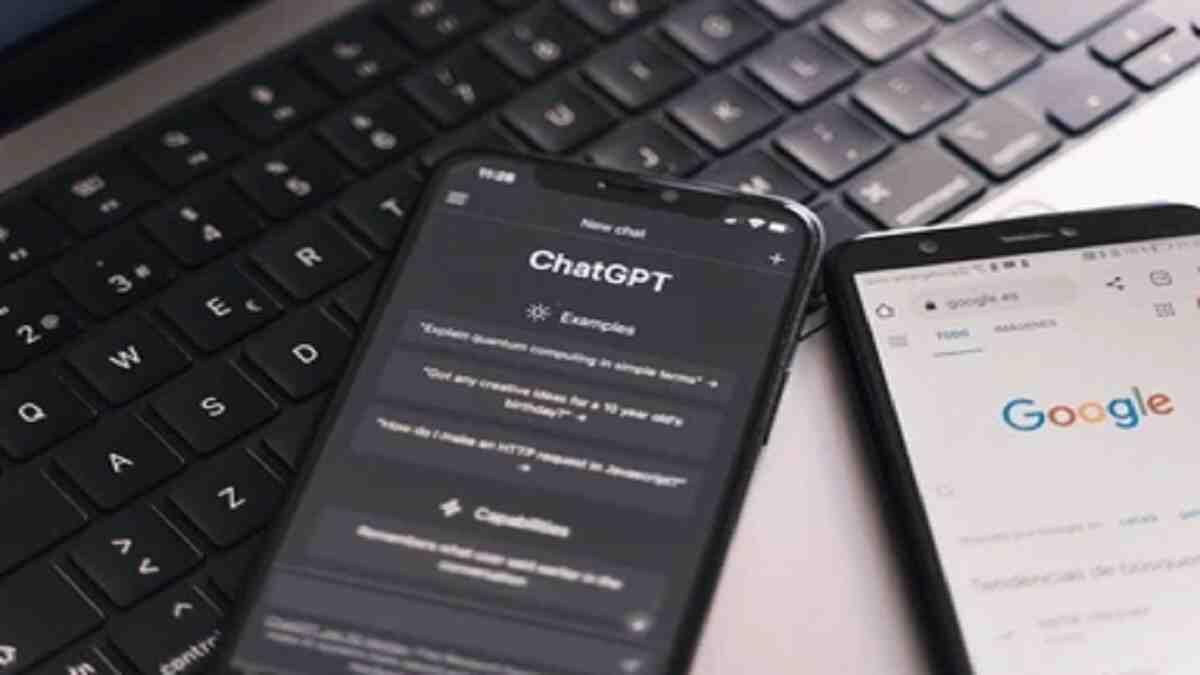
Although OpenAI’s ChatGPT is one of the more prominent AI programmes to have seemingly skyrocketed in popularity, Park notes that the “democratization of knowledge” dates back to the introduction of the internet, with specific focus on programmes such as Google and YouTube making the accessing of knowledge much easier.
Regarding how this impacts the Higher Education landscape, Park says,
historically, Higher Education institutions enjoyed the luxury of being in a position where they were the custodians of knowledge. And prospective students would come to us…for that knowledge to be imparted to them. Now, that knowledge is freely available, and anyone has access to it, and AI.
He notes that the knowledge access barrier that the internet initially broke, takes a step further with AI “where it's no longer just an overwhelming overabundance of information available to you, you now have a tool that can sift through that information, and give you succinct analyses of that information.”
AI programmes like ChatGPT allow users to ask all sorts of questions and offer neatly summarised answers without users having to research and summarise them for themselves. “It can write letters for you, it can do mathematical problems…it can write code for you,” Park says.
With this powerful tool easily available to the public, the question begs as to where the Higher Education system falls in the reproduction of knowledge. Park believes that Higher education now has an important role to play in offering skills, such as critical thinking, that supplement the knowledge that one might be able to access freely online and via AI.
He says,
People don't come to us just for knowledge anymore. Their knowledge is freely available. But I think that there's key skills that are required for people to kind of properly engage and use these sorts of technologies. And first and foremost is critical thinking, you know, you can't just accept knowledge that's available.
He notes finally that the role of the lecturer also transforms in this new format, as they are no longer the all-knowing vessel for imparting knowledge. Their “role is to sit on the side and guide students through the exploration and engagement with that knowledge,” Park finishes.
With the use of AI seemingly not ceasing, it seems that industries have had to mould themselves to be able to work with and coexist with these new developments. However, the need for Higher Education seems to still remain.