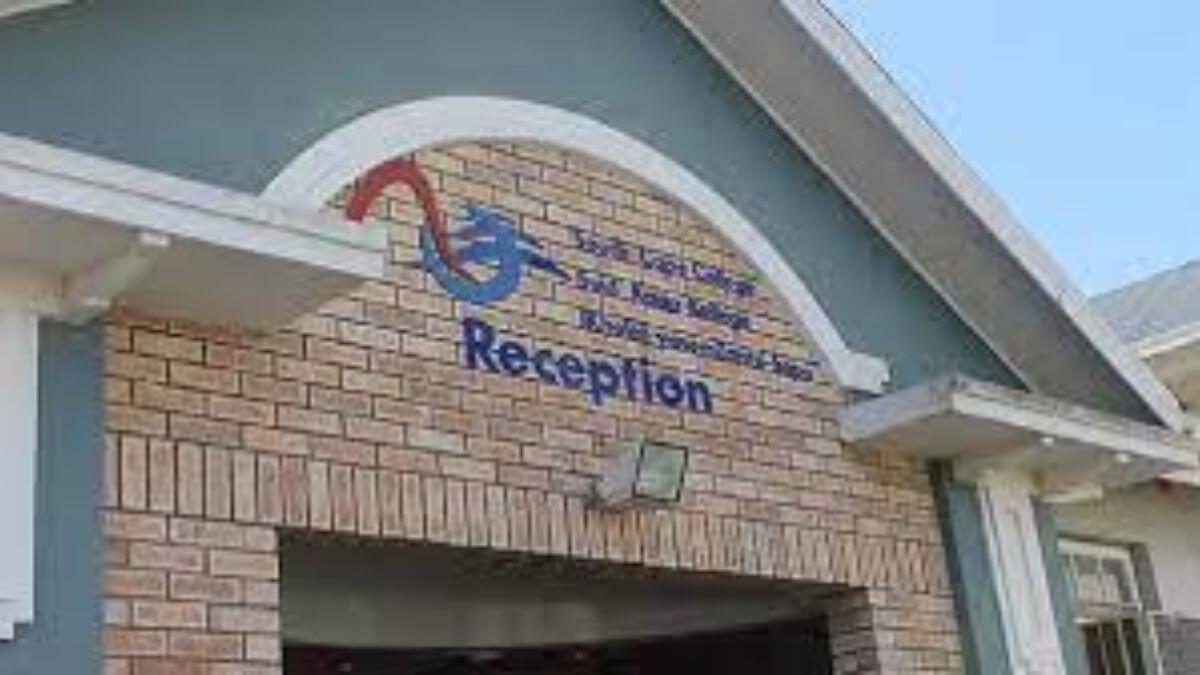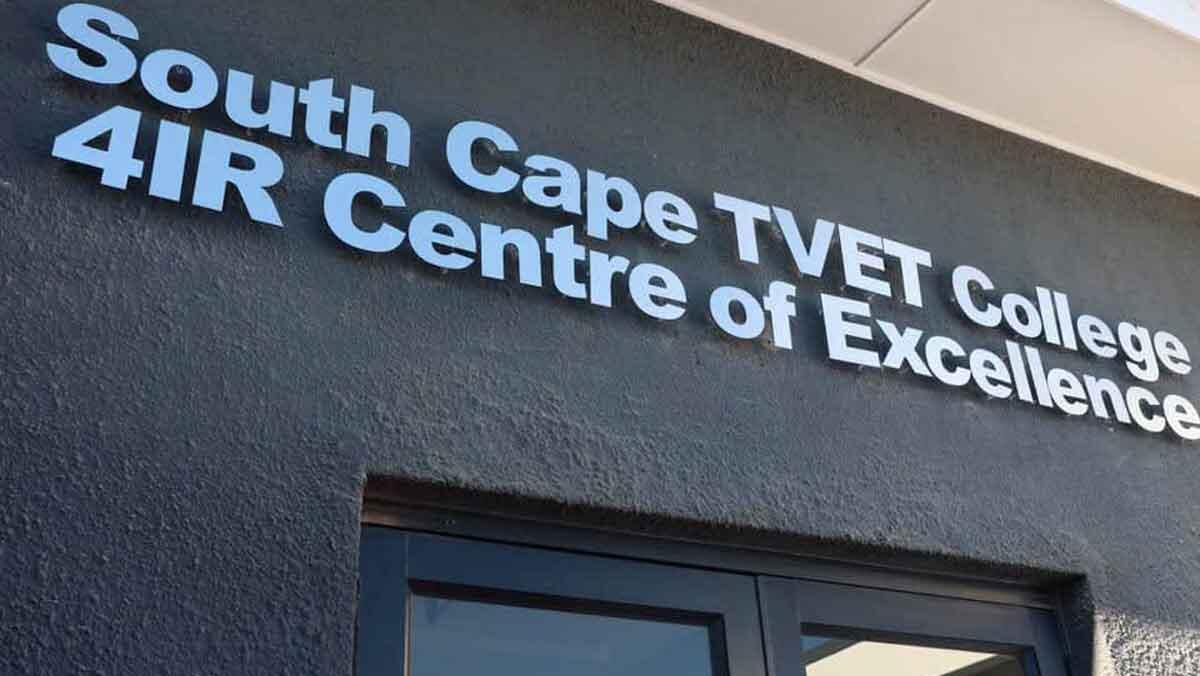
South Cape TVET College has officially opened a new Fourth Industrial Revolution (4IR) Centre of Excellence and three Centres of Specialisation at its Mossel Bay Campus, providing students with access to advanced technology and industry-focused training.
Higher Education and Training Deputy Minister Dr Nomusa Dube-Ncube said the new facilities represent a major investment in preparing young South Africans with the skills needed for the future economy.
New 4IR Centre And Specialisation Facilities Launched
The Deputy Minister officially launched the new facilities on Thursday at the college's Mossel Bay Campus.
The project includes:
- A Fourth Industrial Revolution (4IR) Centre of Excellence.
- A Centre of Specialisation for Electrical.
- A Centre of Specialisation for Boilermaking.
- A Centre of Specialisation for Automotive Motor Mechanics.
The facilities were developed through a combined investment of more than R24 million from the Education, Training and Development Practices SETA (ETDP SETA), the Manufacturing, Engineering and Related Services SETA (MerSETA) and the Industrial Development Corporation (IDC), with additional support from Intel and HP.
Investment In Future Skills
Speaking at the launch, Dube-Ncube said the investment demonstrates government's commitment to strengthening technical and vocational education while preparing students for rapidly changing industries.
"This is not just money spent on machines. It is a vote of confidence in you [college students] and in the young people of this region. It says: we believe in your future, and we are backing it," the Deputy Minister said.
She explained that South Cape TVET College joins a growing network of 4IR Centres of Excellence already established at Eastcape Midlands TVET College, Flavius Mareka TVET College and Letaba TVET College.
According to the Deputy Minister, these centres are introducing technologies such as robotics, automation, artificial intelligence (AI) and smart manufacturing into TVET college education.
Students To Gain Industry-Relevant Skills
The new Centres of Specialisation will provide practical training that aligns with South Africa's current and future skills needs.
Electrical students will receive training in modern electrical installations and renewable energy systems.
Boilermaking students will develop skills in fabrication, welding and computer-aided design, while Automotive Motor Mechanics students will be trained to maintain and repair hybrid and electric vehicles.
“These skills are needed right now, and they will be needed even more tomorrow,” she said.
Dube-Ncube encouraged students to embrace emerging technologies, saying coding, robotics and artificial intelligence will become increasingly important in the modern workplace.
"No young South African should be excluded from learning the language of the future.”
Industry Partnerships Key To Employment
The Deputy Minister called on industry partners, funders and the Mossel Bay Municipality to continue supporting the college by creating workplace-based learning opportunities, mentorship programmes and graduate employment pathways.
"A centre without a path to employment is just a building. A centre with that path is a bridge to a better life," Dube-Ncube said.
She added that stronger collaboration between TVET colleges and Economic Development Zones can help ensure that training programmes remain aligned with regional industries such as maritime services, energy and agriculture along the Garden Route.
Dube-Ncube highlighted the partnership between TVET colleges and the Richards Bay Industrial Development Zone as an example of how collaboration between education institutions and industry can improve graduate employment outcomes.
International Scholarship Opportunities Available
The Deputy Minister also encouraged students to consider applying for government-funded international scholarships, noting that many young South Africans are unaware of opportunities to study overseas.
She said South African students are currently studying through scholarship programmes in countries including Germany, the Netherlands, Japan and China.
This year, 196 students have been awarded or nominated for scholarships across eight countries from more than 5,600 applications.
Applications for the Department of Higher Education and Training's 2027 international scholarship programmes are expected to open between August and December 2026.
Modern Facilities To Support South Africa's Skills Development
Dube-Ncube said investments in advanced training facilities will also strengthen South Africa's participation in international artisan competitions such as the WorldSkills Championship.
She explained that access to world-class equipment will enable students to train to international standards in trades including electrical work, welding and automotive technology.
"The world is changing fast. If we want our students to lead in that world, and not fall behind it, we must keep investing in the tools that make that possible.”