Should you pursue a career in welding?
Welders can repair damaged roofs, steel beams, and a variety of other materials through processes that emphasize heating and pressure treatments.
The work is challenging and may be difficult at times, but welding literally lays the cornerstone of many of society's structures.
If you are thinking about career in welding, here are some points to consider:
1. The Pay isn't bad.
Depending on the cost of living for your area, the type of company you work for, and the conditions of your welding assignment, you could make a hefty hourly rate. Given over time, that amount can increase rapidly, especially with long-term assignments.
Often you can set your own hours, including weekends and evenings, but this will depend on where you are employed. Some companies offer health care benefits, disability and life insurance, and even tuition assistance for employees who want to sign up for college.
2. Work conditions can be trying.
Outdoor welding jobs may be available year-round, but that means you could be working outdoors in sub-freezing temperatures, so you will have to dress accordingly.
When you weld indoors, you will have to set up a cloistered area where fumes and light from the flame don't bother other employees or bystanders. In the summer, unventilated areas can quickly attain triple-digit temperatures to cause welders to swelter and sometimes make breathing difficult.
3. Safety issues are important.
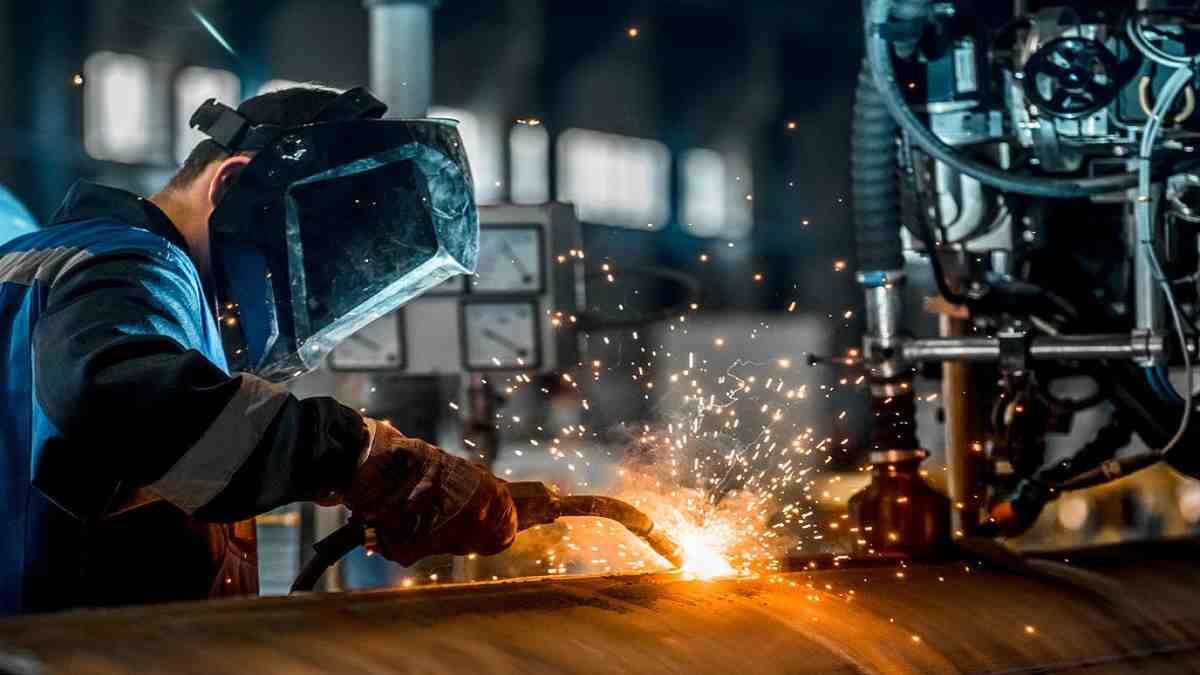
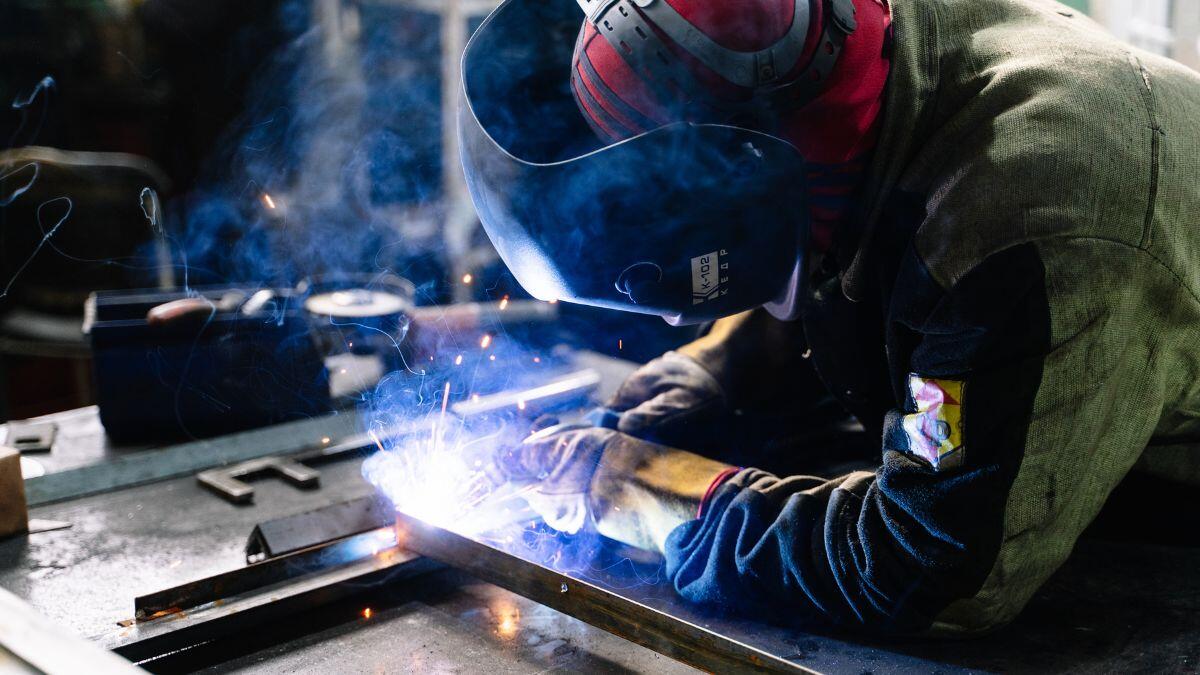
You will need industry-regulation equipment and protection, including goggles, a faceplate, and perhaps clothing covers. It is important to keep up with equipment specs that can change over time.
You should learn something about first aid procedures for welding-related injuries or hazard exposures. Don't take shortcuts with the equipment, and wear the required equipment at all times while working.
4. You may need to travel.
If you work with construction sites, you know how seasonal the work can be. You might need to head south during the colder months, or face unemployment during that time.
Travel costs, including hotel, food, and mileage, are usually provided on top of your hourly rate, which also can increase when you work out of town. But the downside is time spent away from home and family at special times.
If you want a job that keeps you active and away from a desk, welding might be the career for you. Find out about welders' training in your area to see if you qualify and can start building your occupational future.
Technical schools and community colleges are two places that often offer welding classes that can lead to certification for career and employment purposes.
Even if you eventually move on to another field later, knowing how to weld is a valuable skill that could serve you well when building your own home or assisting with family projects.
CLICK HERE TO: Training Providers Offering Apprenticeship Training
The Southern African Institute of Welding (SAIW) has been appointed by the Department of Higher Education and Training (DHET) to act as consultants in the welding aspect of the Centres of Specialisation Programme. Southern African Institute of Welding (SAIW)
Article Source: Free Articles SA