After celebrating 29 years since the first democratic election in South Africa, the country still grapples with many challenges including the unemployment of around 9 million young people. These young people are not in education, employment or training.
The Presidential Employment Stimulus Programme (PESP) was introduced by President Cyril Ramaphosa in response to the Covid-19 pandemic, which had caused many South Africans to lose their jobs and the unemployment crisis to deepen.
According to the programme lead for the PESP Kate Phillips, the PESP was launched to take public employment programmes to a new level of scale and experiment with new ways of offering programmes to achieve a stronger quality of work experience and the quality of the social value created.
In two years the PESP was able to make more than one million jobs and opportunities available in the country.
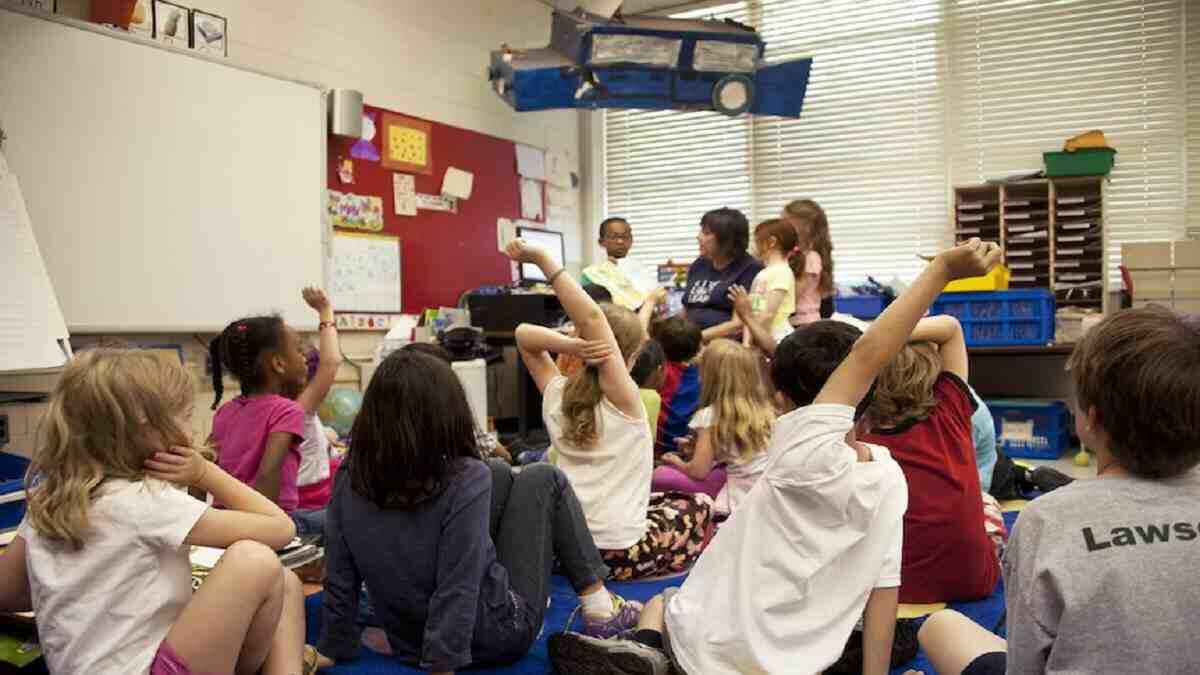
One of the programmes in the PESP is the Basic Education Employment Initiative (BEEI) in which young people are placed at schools as school assistants.
Phillips says that 250 000 school assistants have been placed at schools in communities around the country. She says that it is very rare for employment programmes to get to this scale and reach all of the most marginalized areas.
The project lead at Youth Capital, a campaign focused on advocating for the youth, Kristal Duncan-Williams says that the BEEI is a good way for young people to get work experience and make some money for a couple of months that they are able to put back into their local economy or put aside for their own small businesses.
She says that the training that young people receive for their position as school assistants give them skills that they can use to access other opportunities in the labour market.
Youth Capital surveyed those in charge of managing the cohorts of school assistants and found that schools who had a clear idea of how they would use the assistants had clear mentorship for the assistants and both the school and the assistants had a good experience.
The survey also showed that schools who were involved in the recruitment of assistants to ensure that they were the right fit for the school, were able to have a better experience than those who were not involved in this process.
Phillips says that the positive experience of the PESP should be used to scale it up further as the programmes are very important for people’s sense of inclusion and participation in society.