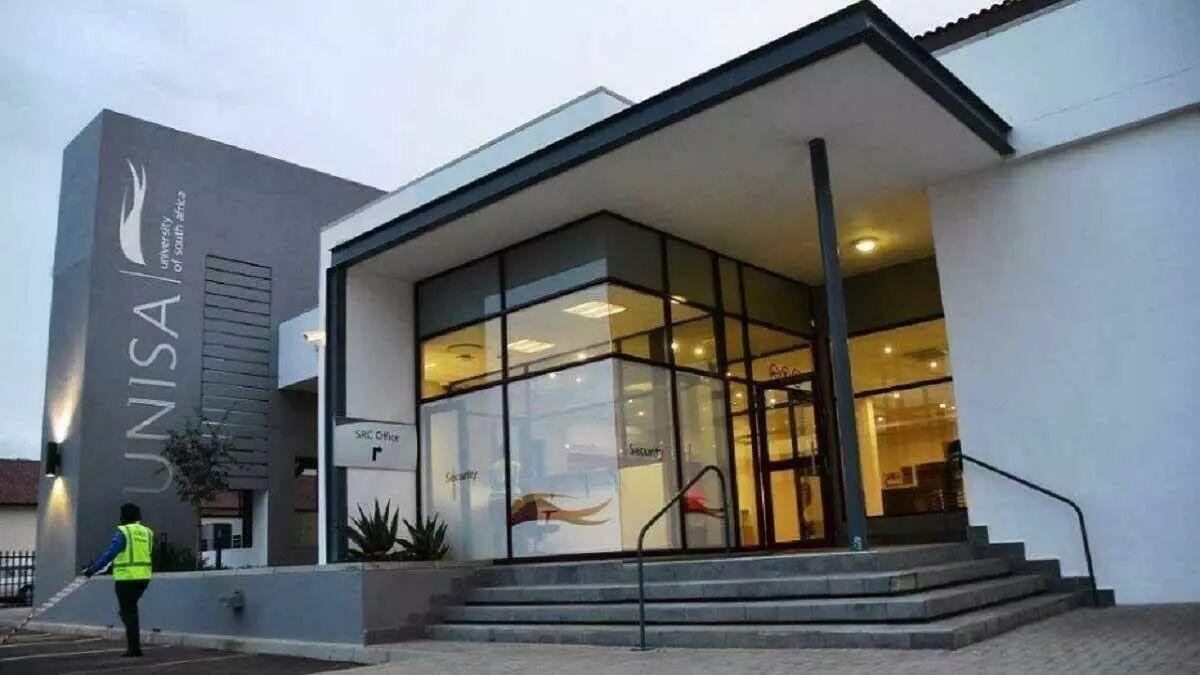
Earlier this month, Minister of Higher Education, Blade Nzimande announced that he intended to place the University of South Africa (Unisa) under administration.
Nzimande wrote to Unisa council chairperson James Maboa to inform the council of his intention to appoint an administrator due to adverse findings made in an independent report by independent assessor Professor Themba Mosia.
The decision to place the institution under administration has since sparked several discussions and debates within the academic and public spheres.
Unisa lecturer in professional ethics Mametlwe Sebei believes the Higher Education Department's decision to place the institution under administration was a brazen attack on its independence and freedom.
Why is Unisa being placed under administration?
Maladministration, poor financial management and an inept administration that disregards procurement processes were just some of the findings made by Prof Mosia in the independent report.
Mosia’s scathing 300-page report was submitted to the DHET earlier this year. One of the issues highlighted in the report it that Unisa’s management committee is not working as a coherent team and lacks the maturity required to effectively manage a complex university.
Nzimande believes that the appointment of an administrator is crucial to ensure Unisa's optimal functioning and its continued contribution to higher education in South Africa. The MTT conducted a thorough review of Unisa's "mission drift," assessing its financial sustainability and readiness for the challenges posed by the Fourth Industrial Revolution.
The minister noted that both reports recommended that the appointment of an administrator is in the best interest of Unisa and of higher education in an open and democratic society.
Calls to oppose Nzimande’s decision
Sebei has since been joined by several other staff members and council members in contesting the move, asserting that it was brought about without justification, lacks legal grounds, and undermines the university's autonomy.
He added:
The independent assessor's report added absolutely nothing to what was already identified by the Ministerial Task Team report. If anything, it has just brought about sensational allegations that have no basis.
Sebei said Nzimande’s decision failed to account for the drastic changes in the management of the university since the submission of the MTT report. He added that since the MTT report, Unisa had appointed a new vice-chancellor and tremendous effort had gone into turning the situation around.
He further called on trade unions and students’ movements to oppose Nzimande’s decision and defend the “hard-won right to democratically elect the university council that would transform the administration, academic and research project of the university – in the interests of its students, workers and society”.
Dr Seán Muller, a senior research fellow at the Johannesburg Institute of Advanced Study based at the University of Johannesburg expressed:
The Minister of Higher Education, Science and Innovation Dr Blade Nzimande’s plan to place Africa’s largest university under administration is the most dramatic decision in democratic South Africa.
Muller said while there were serious problems at Unisa, it was not clear how they would be resolved by an administrator.
Unisa council take legal action
The university's council, in collaboration with Unisa, has initiated legal proceedings to challenge the decision and the findings of the independent assessor's report.
Both the council and the institution have filed applications to review and set aside the report.
According to Maboa, the council has requested Minister Nzimande, to allow the court to rule on the independent assessor’s report before he makes his final decision on appointing an administrator for the institution.
The council is also asking the court for an order interdicting Nzimande from implementing any of Prof Mosia’s recommendation contained in his independent report.
The decision by the minister to act on the recommendations is premature.
Initially Nzimande gave the council an opportunity to reply with written representations within seven days before the action he contemplated taking and indicated that he would consider it and take a final decision thereafter.
However, in light of the ongoing legal proceedings and the seriousness of the matter, the response period has been extended to 30 days from the date of his notice. The deadline for responses has now been extended to 4 September 2023.