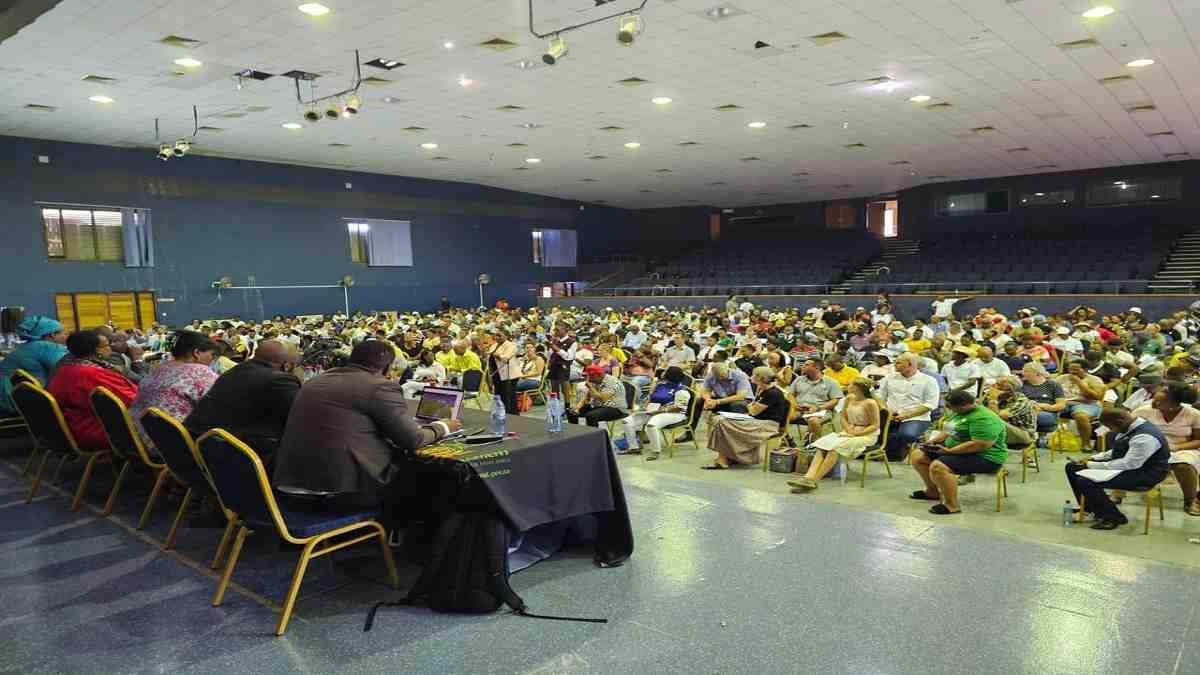
In May 2023, the Portfolio Committee on Basic Education announced that it will resume public hearings on the Basic Education Laws Amendment Bill in the remaining provinces.
This was followed by the Portfolio Committee pausing the public hearings in Gauteng and KwaZulu-Natal due to some internal operational challenges that had the potential to compromise the integrity of the process.
However, after reviewing and addressing the risks, the committee resolved to hold public hearings in Gauteng and conclude the postponed hearing in Mpumalanga.
In a statement, the Committee’s chairperson Bongiwe Mbinqo-Gigaba said:
The residents of the greater OR Tambo District Municipality welcomed the Bill, especially clause 2 which proposes mandatory attendance of children in Grade R.
According to Mbinqo-Gigaba, this view was expressed by the majority of residents during the first of three public hearings that were held at the Mthatha Town Hall in the Eastern Cape.
The South African Democratic Teachers Union and the Congress of the School Governing Bodies supported the Bill with some adjustments.
Whilst the Federation of South African Schools has remained partial, and stated that they are in support of the public hearing process but reject some of the amendments proposed in the BELA bill.
Here Are Some Clauses That Participants Approved Of:
Some of the participants have emphasised the importance of good administration, regarding financial affairs at schools as per Bill’s clause 34 which proposes the submission of quarterly income and expenditure reports of schools to ensure ethical management of school resources.
Some of the speakers at the public hearings have also highlighted that their support for the Bill was influenced by the prospect it promises to redress the imbalances that were created by the system of apartheid within the education system.
The BELA Bill has outlined a process to determine a school’s language and admission policies. Some speakers have approved of this clause, as some School Governing Bodies (SGBs) used these policies to exclude learners on racial and language grounds.
Here Are Some Clauses That Participants Disapproved Of:
Some Provincial Education Departments had issues with delayed Learning Material and Teaching Support Material in the 2022 school year.
It is for this reason that some individuals have opposed the centralisation of procurement of the materials, as it will open an opportunity for corruption within the procurement environment to take place and that can result in, among other things, delivery of substandard materials to schools.
The Committee received a report that there were some participants who were unanimous in their rejection of clause 8 of the Bill which proposes legalisation of possession, consumption, or sale of liquor on school premises.
This was based on the grounds that South Africa is currently battling with the challenge of substance abuse, legalising the possession, consumption, or sale of alcohol at schools will inevitably exacerbate the problem.
Here’s How The Limpopo Province Participated In the Public Hearings:
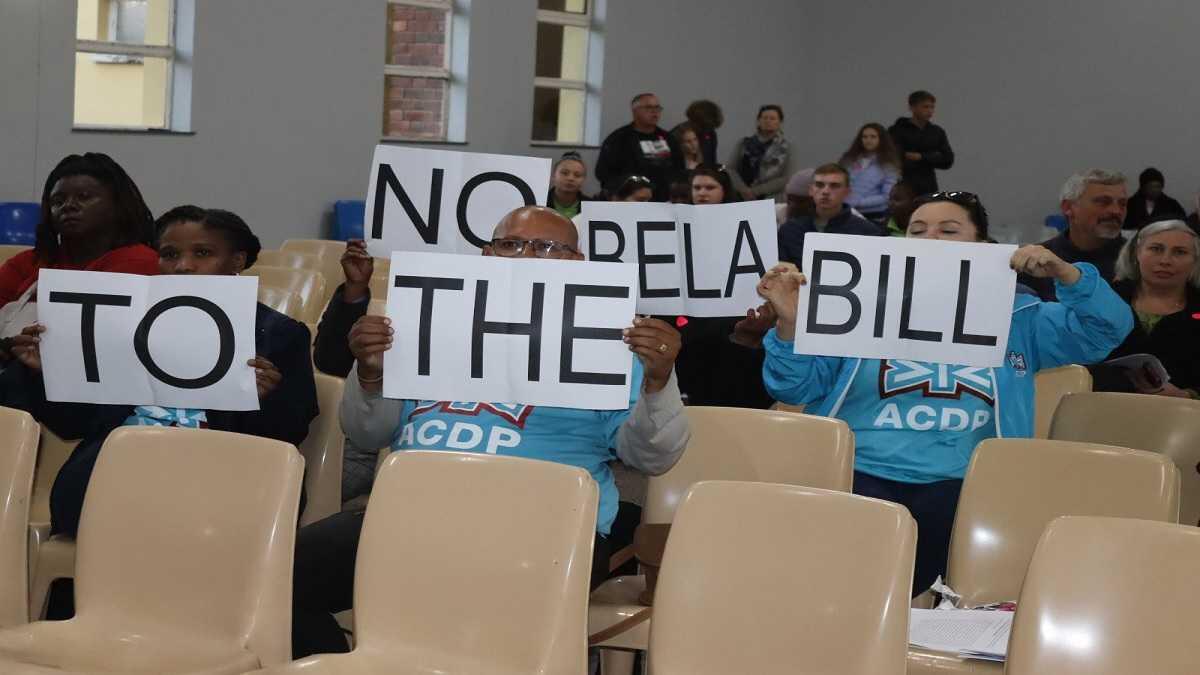
In a Zoom meeting, Committee member and content advisor Portia Mbude-Mutshekwane revealed that an estimated 1,326 participants attended the Limpopo public hearings from three municipalities that the Basic Education Portfolio Committee visited.
Of the 13,326 participants, 134 made oral submissions, and 344 participants chose to hand in written submissions during the public hearings.
According to the Committee, Polokwane had the highest number of speakers and the majority were males in the gender representation of speakers at the public hearings.
The participation of youth/children was noted during the oral hearings, which brought an interesting dimension to the recognition of youth/children’s role in a Legislative process.
Out of 135 speakers across the municipalities, 66 speakers were in support of the BELA Bill, whereas a total of 29 speakers rejected the Bill and 32 speakers didn't declare or specify their views on the Bill.