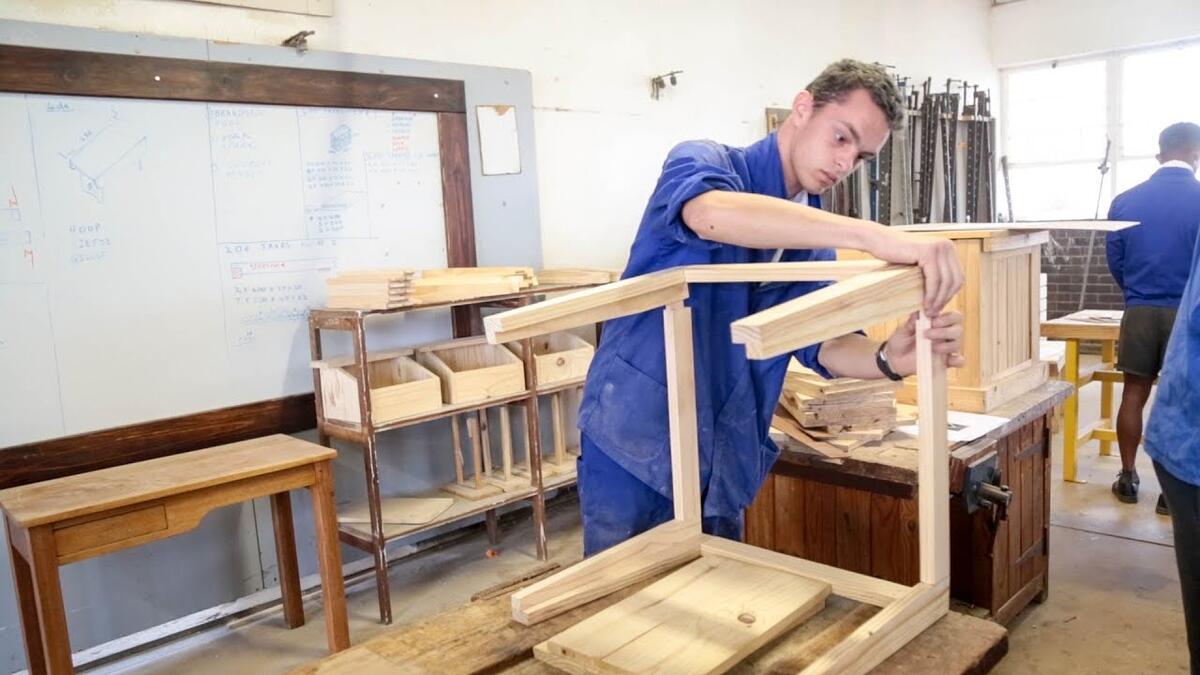
In South Africa, Schools of Skills are specialized educational institutions designed to cater to the needs of learners who may struggle to succeed in mainstream academic environments. These schools focus on providing practical and vocational training to help students develop skills that can lead to employment opportunities or further vocational education.
Key aspects of Schools of Skills include:
-
Target Audience: These schools primarily serve learners with moderate intellectual disabilities, learning difficulties, or those who require an alternative educational approach.
-
Curriculum: The curriculum is tailored to emphasize practical skills and vocational training. This includes subjects like woodworking, metalworking, hospitality, agriculture, and various trades, along with basic literacy and numeracy skills.
-
Individualized Learning: Schools of Skills often provide individualized learning plans to address the unique needs and abilities of each student, ensuring that they receive the appropriate support and training.
-
Duration: The program usually spans four years, starting from the age of 14. Upon completion, learners may receive a certificate that recognizes their vocational competencies.
-
Transition to Employment: One of the main goals of Schools of Skills is to prepare students for the workforce. They often have partnerships with local businesses and industries to facilitate internships, apprenticeships, and job placements.
-
Support Services: These schools often offer additional support services, such as counseling, career guidance, and life skills training, to help students transition smoothly into adulthood and the job market.
Schools of Skills play a crucial role in the South African education system by providing opportunities for students who might otherwise be marginalized or left behind in traditional academic settings.