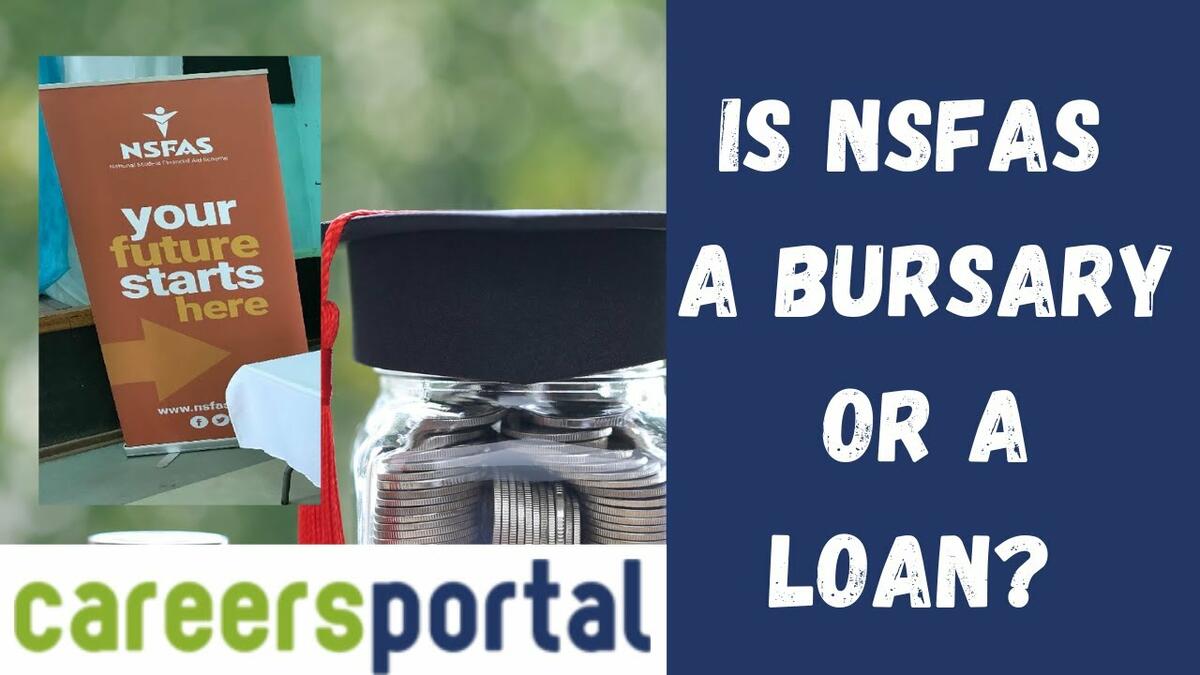
The bursary scheme covers the following fees: registration fees, tuition fees, study material expenses, food allowance, personal care, as well as accommodation or transport.
Before 2018, Nsfas was classified as a loan scheme but has since changed to a bursary scheme. This means that anyone who applied in 2018 and the years following that, will not have to repay the funds to the organisation.
However, if your university or college fees were funded through Nsfas before the 2018 academic year, you are obligated to continue making loan repayments.
If you have completed your qualification, have entered the labour market and earn R30 000 or more annually, you have to pay Nsfas back.
Ways to repay a Nsfas loan:
- Debit Order
- Electronic Funds Transfers (EFT)
- Salary Deductions
Many of the previous Nsfas graduates have raised concerns as they are unable to make repayments, as a result of job losses and low annual income.
According to Nsfas, in the event where a graduate who was paying back their Nsfas loan using a debit order is unable to continue making payments, they need to email the scheme with a valid reason as to why they intend to stop the debit order.
The scheme’s recoveries team will then review the submission before the debit order is stopped or removed from the Nsfas system.
Additionally, old Nsfas graduates may also contact the scheme to make alternative payment arrangements for their loan with the Nsfas recoveries team.