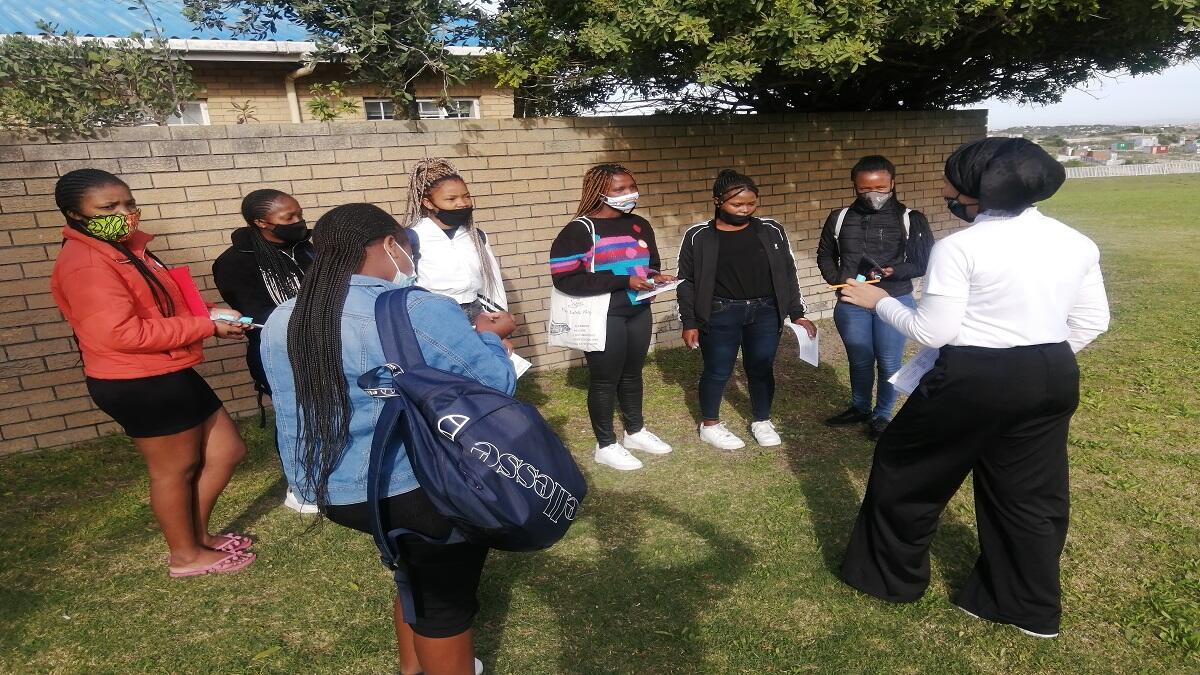
Adolescents and young adults globally seem to prefer electronic communication with peers to verbal, real-time, in-person interaction. The youth seem to be constantly communicating, thumbs flying through texts to multiple friends on their ubiquitous smartphones.
Surprisingly, the latest research shows that what looks like greater contact doesn’t always mean great communication. Smart devices and the internet are extremely useful learning tools, giving us access to an unprecedented amount of information. But while the demand for digital tech in business and learning is rapidly increasing, and even more so since the COVID-19 pandemic disrupted traditional learning, there are growing concerns for the mental and physical health consequences of living in the digital space.
Heavy tech users experience can experience feelings of isolation, loneliness and, in extreme cases, dissociation, anti-social behaviour and depression. Manipulative or vindictive people find it easy to use the digital space to confuse, hurt or bully others, and it can be hard to find reliable, trustworthy information (or people for that matter).
In-person communication allows us to behave more empathetically, interact more naturally, and form more meaningful and lasting bonds with others, which tends to develop trust, confidence, and generally more positive attitudes.
When both speaker and listener can see and interpret body language, tone and facial expressions in the same space, there is less chance of miscommunication and misinterpreting information. When we speak in real-time, we use more words and body language and can convey real emotion better than with texts, photos and emoji’s.
But face-to-face communication is a skill, and like any skill, needs to be practiced to improve. Enter Higher Health, a government-funded initiative that seeks nothing less than to inspire two million students attending 26 universities and 50 TVET colleges to improve their health and wellbeing by simply talking to one another in meaningful interaction around the health-related problems and needs they have in common.
The five campuses of False Bay TVET College are among 420 campus sites that currently implement Higher Heath programmes mainly focused on health issues such as HIV, STIs, TB, unplanned pregnancy, gender-based violence (GBV), mental illness and substance abuse, promoting human rights (e.g. protection of the rights of women, LGBQTI students and people with disabilities), and ensuring all students can access psychosocial support services.
The programmes are all based on the belief that encouraging regular dialogue in the physical and emotional safe space of peer groups will challenge and equip students to take responsibility for their health, well-being and development.
At our inaugural Peer Mentoring Programme, students across the five campuses participated in dialogue around HIV Testing and Sexual Reproductive Health. A joint discussion involving Community Hospitals and Wellness Centres (CHWC) and peer mentors exceeded expectations for student participation, with 1 875 joining the conversation. Similarly, 1890 students participated in a dialogue on Gender-Based Violence and mental health. Considering that attendance was voluntary, and the dialogues happened outside the academic programme, the numbers of students attending showed a clear need for lateral conversation among the student population.
In 2018, False Bay became the first TVET college to launch a mobile clinic to provide healthcare to students. The Higher Health Peer to Peer Educators Programme activated a promotional campaign to create awareness of the free, confidential services available, which include professional services for HIV Testing, TB & STI screening, non-communicable diseases (blood pressure and blood glucose), sexual reproductive health, mental health, Risk Assessment and Risk Screenings. Students requested the addition of cancer screening and medical male circumcision referrals. In only one quarter, the clinic conducted 986 tests of staff and students.
Higher Health Peer Promoters work with the College Student Representative Council and the Student Support Officers to ensure that the issues that most concern our students are addressed. Thus, when a series of GBV Awareness activations commenced, it not only provided general information through a GBV exhibition on campuses but also a targeted intervention at the Khayelitsha campus, which was most concerned with safety when travelling. A partnership between Higher Health and Fight Back SA produced information pamphlets and a mental health and GBA violence risk assessment questionnaire. On a practical level, Fight Back SA generously donated 100 pepper spray canisters and arranged a user tutorial for recipients.
With the uptake of the services increasing before the national lockdown, there is no doubt that the Higher Health Peer to Peer programme promises a healthier, safer college community in the future. And perhaps a community that still knows how to talk to one another…in the old-fashioned way.