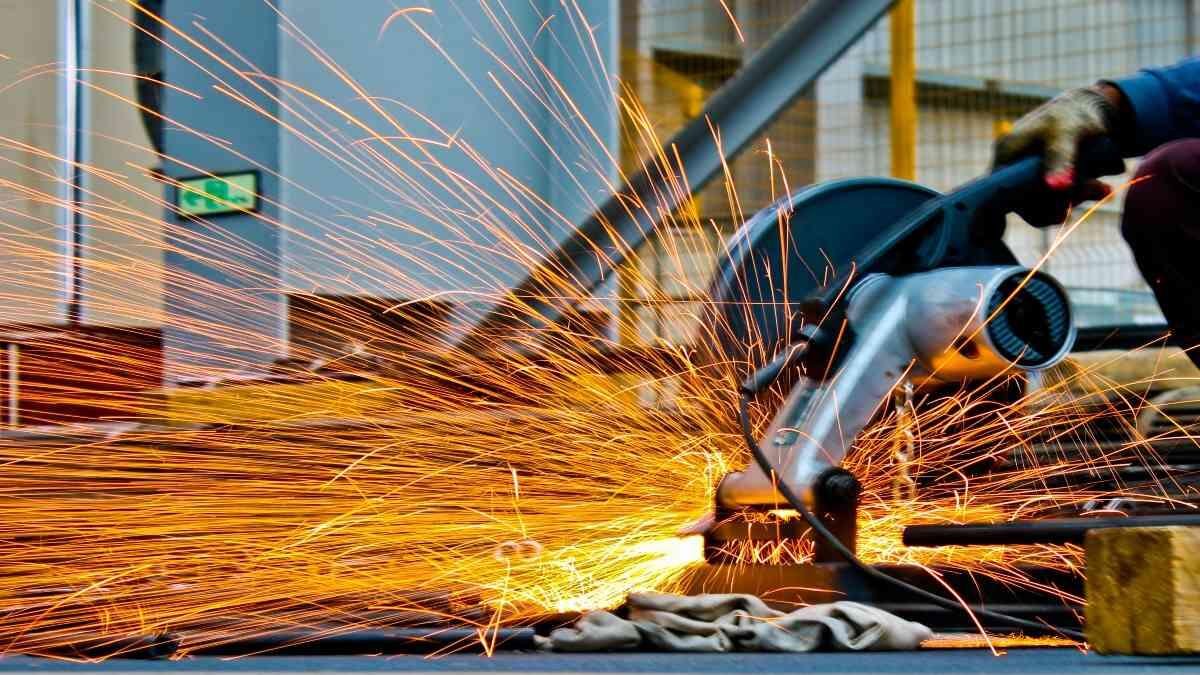
An artisan refers to a someone with a profession that involves the creation of unique, handmade products or services. Artisans are skilled craftsmen or women who use traditional techniques to create items that are often one-of-a-kind and can be functional or decorative.
They typically work with hand tools and machinery, but as the digital work continues to expand and develop, it is becoming more common to make use of 4.0 technologies, such as robotics, artificial intelligence and 3D printing. Artisans will need to keep up to date and adopt these trends in order to excel in the industry.
Artisans also play an important role in the chemical industry as they are heavily involved in the production of chemical and energy products, such as acids, explosives, plastics, fuels and dangerous machines.
There is no one single path to take to become an artisan, as there is a range of different subfields to explore. Depending on your age, work experience, qualifications and personal interests, your path to becoming a skilled artisan may be different to the next person's path.
How To Become An Artisan
Generally, to become a skilled artisan you will need to attend a Technical Vocational Education and Training (TVET) college, or complete a learnership or apprenticeship programme. At a TVET college it is recommended that you complete at least an N2 trade related Nated Level Engineering Programme.
You need to complete at least the trade related National Certificate Diploma NC(V) 3. You will then need to find a company that will employ you as an apprentice or artisan learner.
Some artisan careers you can explore include:
- Boilermaker
- Draughtsman
- Electrician
- Fitter and Turner
- Industrial Machinery Mechanic
- Instrument Mechanician
- Millwright
- Occupational Instructor
- Refrigeration Mechanic
- Rigger
- Truck Driver
- Welder
There are also more specific careers in this industry, including jewellery making, pottery, woodworking, glassblowing, weaving, leather working and many others.
These careers are very practical and require a high level of skill, which is why receiving the correct training is important. Many artisans work independently or in small businesses, and their products are typically sold through markets, online platforms or specialised boutiques.
To be a good artisan, you should possess these interests:
- Enjoy working with your hands
- Enjoy maths and science
- Enjoy working with machinery
- Enjoy designing products
Overall, a career as an artisan can be rewarding both personally and professionally, offering the opportunity to combine creativity with entrepreneurship and make a meaningful contribution to society.
To find out where you can study to become an artisan, you can head to our Where To Study section.